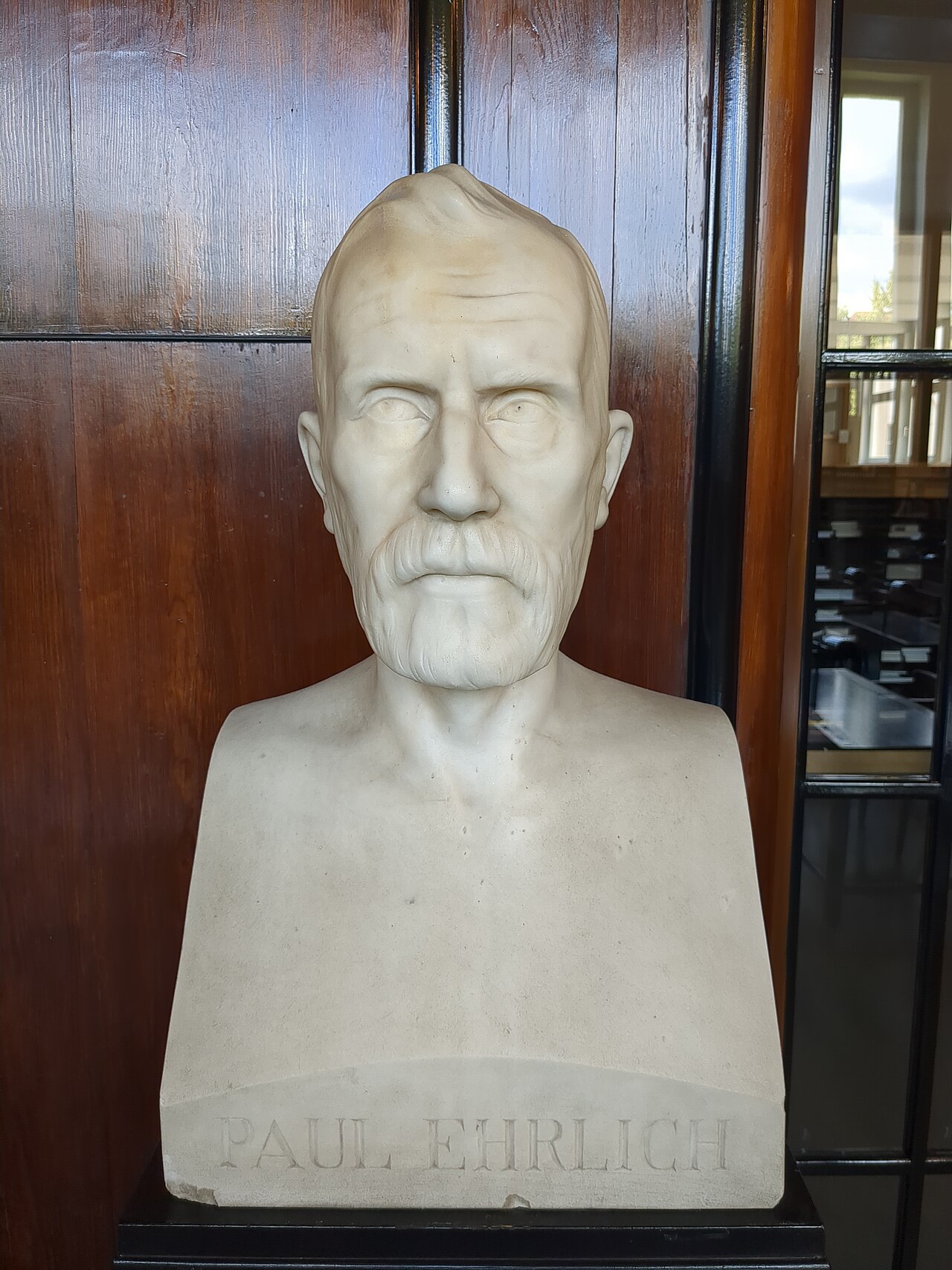
Paul Ehrlich
German physician and Nobel laureate who worked at the Charité.

via Wikipedia: Charité · see source
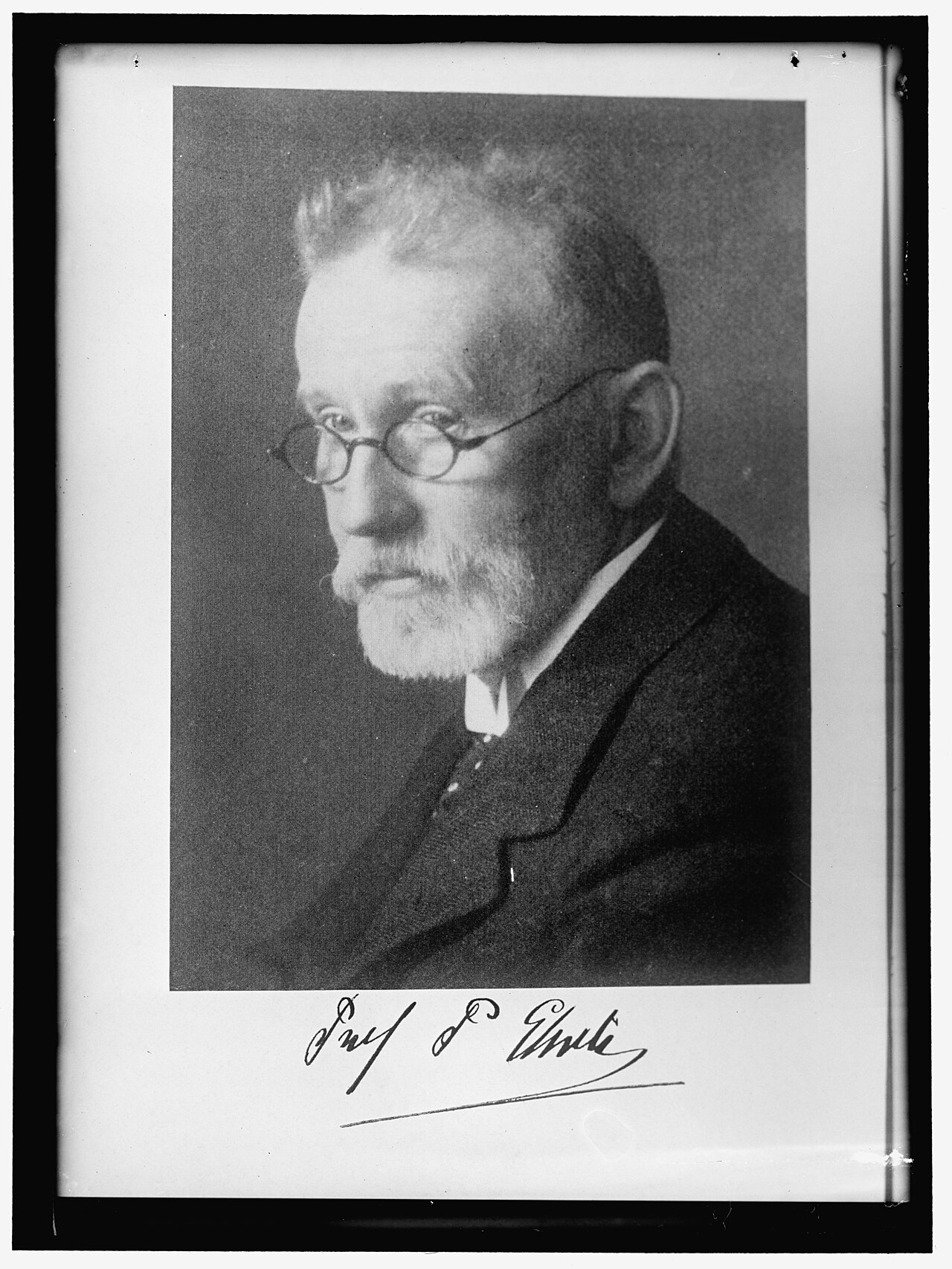
Paul Ehrlich was a German physician and scientist who worked at the Charité in Berlin. He is one of more than half of all German Nobel Prize winners in Physiology or Medicine who have worked at the Charité. Ehrlich shared the 1908 Nobel Prize in Physiology or Medicine for his work on immunity. He is known for developing vaccines for anthrax, cholera, and tuberculosis alongside Robert Koch, and for his contributions to the standardization of therapeutic serums. His research at the Charité and later institutes laid the groundwork for modern immunology and chemotherapy.
- field
- Hematology, immunology, antimicrobial chemotherapy
- nationality
- German
Verified Timeline
Lore & Background
Paul Ehrlich was one of the many Nobel Prize winners affiliated with the Charité in Berlin. The source states that more than half of all German Nobel Prize winners in Physiology or Medicine, including Emil von Behring, Robert Koch, and Paul Ehrlich, have worked at the Charité. Ehrlich is noted for his work on immunity, for which he received the 1908 Nobel Prize. He also contributed to the development of vaccines for anthrax, cholera, and tuberculosis alongside Robert Koch. His work at the Charité and the Institute for Serum Research and Testing helped standardize therapeutic serums. The source does not provide details on his birth, death, family, or specific dates of his discoveries, but confirms his association with the Charité and his Nobel Prize.
Reader's Guide
Paul Ehrlich's significance is rooted in his work at the Charité, one of the ten best hospitals in the world and the largest university hospital in Europe. The source emphasizes that the modern history of medicine has been significantly influenced by scientists who worked at the Charité, including Ehrlich. He is listed among the notable figures who worked there, alongside Rudolf Virchow, Robert Koch, and Emil von Behring. Ehrlich's research on immunity earned him the Nobel Prize in Physiology or Medicine in 1908. He also collaborated with Robert Koch on vaccines for anthrax, cholera, and tuberculosis. His legacy is tied to the Charité's history as a leading research and teaching hospital.
Did You Know?
- Paul Ehrlich is one of more than half of all German Nobel Prize winners in Physiology or Medicine who have worked at the Charité.
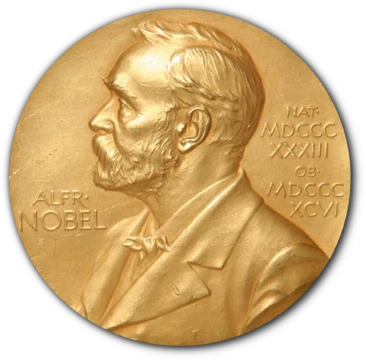
- He shared the 1908 Nobel Prize in Physiology or Medicine for his work on immunity.
- Ehrlich worked with Robert Koch on vaccines for anthrax, cholera, and tuberculosis.
- The Charité, where Ehrlich worked, is the largest university hospital in Europe with around 3,000 beds.
- Ehrlich is listed among notable scientists at the Charité alongside Rudolf Virchow and Emil von Behring.
The Production Dilemma
Warner Bros. faced a delicate balancing act when producing this 1940 biographical picture. With Germany still a lucrative market for American cinema and the United States not yet in the war, executives circulated a memo warning against turning the biography into a political propaganda picture. The words Jew and Jewish were scrubbed entirely from the script, and anti-Semitism in Ehrlich's life was reduced to a single or double hint. The original deathbed scene, in which Ehrlich referenced the Pentateuch, was rewritten. Production head Hal B.
The Scientific Arc
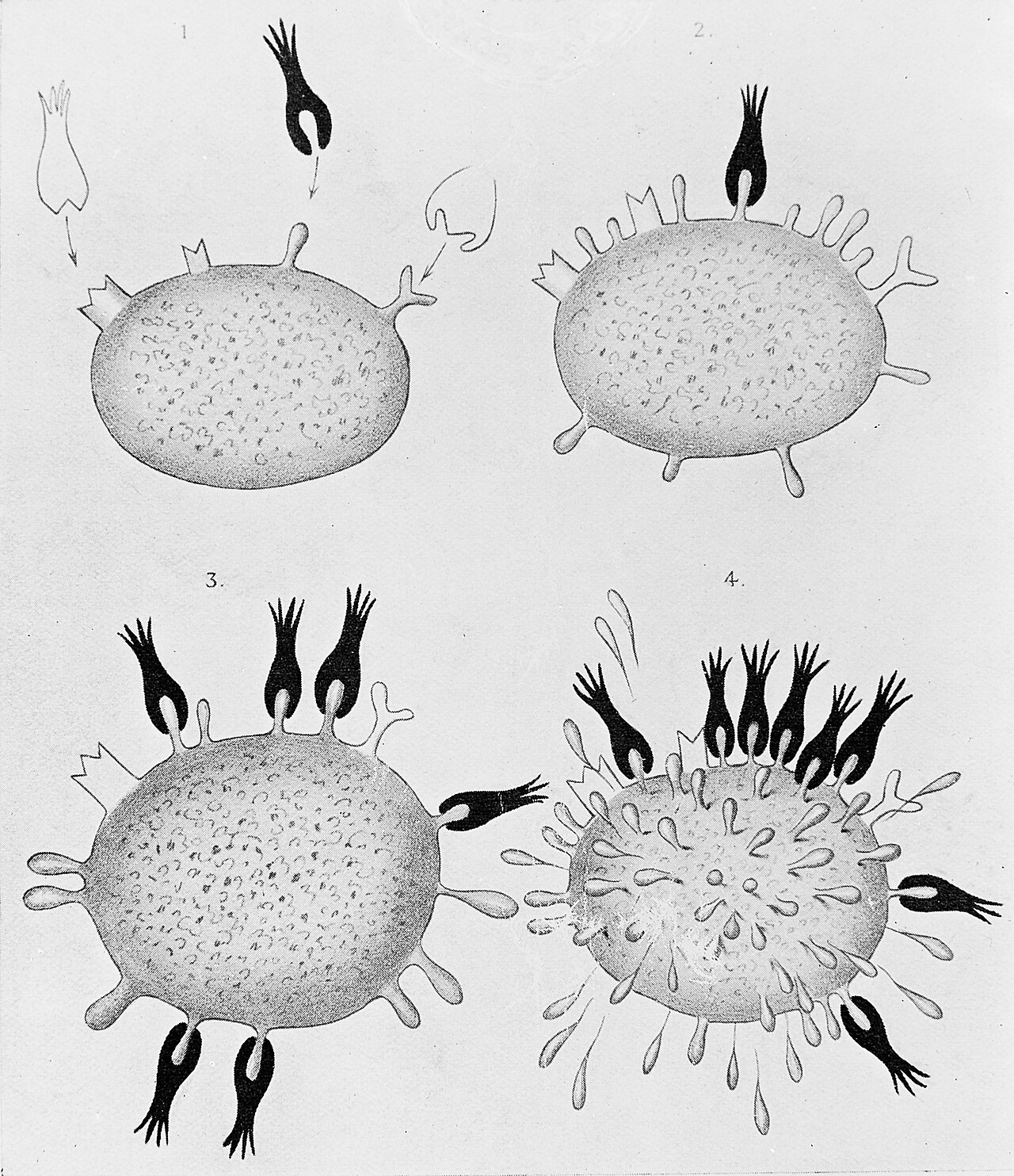
The film traces Ehrlich's intellectual trajectory from a rule-defying hospital physician to a pioneer of targeted medicine. His early obsession was selective color staining, using dyes that bonded exclusively to specific cells or microorganisms while ignoring everything else. His colleague Emil von Behring, initially skeptical, came to call this specific staining one of science's greatest achievements. After witnessing Robert Koch's demonstration that tuberculosis was bacterial, Ehrlich secured a sample of the pathogen and, through relentless experimentation aided by his wife Hedwig's patience, devised a viable staining method for the microbe. A subsequent bout of tuberculosis forced him to Egypt, where the hot, dry climate aided his recovery and sparked his understanding of immunity. That insight, combined with von Behring's collaboration, helped them combat a devastating diphtheria epidemic among children. These threads culminated in his grander vision: designing chemical magic bullets that could selectively destroy disease-causing agents in the bloodstream, laying the conceptual groundwork for antibiotic chemotherapy.
The 606 Trial and Controversy
The narrative's most dramatic arc centers on Ehrlich's quest for a syphilis cure. The triumph was immediately overshadowed: thirty-eight patients treated with the drug died. Dr. Hans Wolfert, heading the medical board that had long fought to defund Ehrlich's research, publicly accused him of murder. Public confidence crumbled, and Ehrlich was compelled to file a libel suit against Wolfert. The trial became the film's climactic set piece. Von Behring, who had earlier dismissed Ehrlich's chemical-cure ambitions as pipe dreams, was called by the defense to condemn the drug. Instead, he declared that 606 was responsible for a thirty-ninth death: the death of syphilis itself. Ehrlich was exonerated, but the exhaustion of the legal battle proved fatal to his already weakened body. His final words, as depicted, were counsel to his colleagues on the perils inherent in pushing medicine forward.
Erasure and Enduring Legacy
Beyond the screen, Ehrlich's story carries a weight of historical erasure. His 1908 Nobel Prize for work on immunity marked the pinnacle of his recognition, yet the Nazi regime in Germany went so far as to remove his name from public buildings and street signs and to censor any books that referenced him. The 1940 film was, in part, an act of cultural preservation against that deliberate forgetting. The screenwriter captured the picture's subtext bluntly, telling audiences to remember that a little kike named Ehrlich tamed the scourge and urging them to protect their fellow Jews from violence. Warner Bros. released it despite the studio's own ambivalence, ensuring that a story of scientific courage and personal sacrifice reached American audiences at a moment when the world was watching what fascism did to those it deemed undesirable.
The Charité Connection
Paul Ehrlich worked at the Charité in Berlin, a public medical school and hospital that traces its origins to 1710. The Charité is the largest university hospital in Europe, with around 3,000 beds, 15,500 staff, and 8,000 students. It is one of the ten best hospitals in the world. The source notes that more than half of all German Nobel Prize winners in Physiology or Medicine, including Ehrlich, have worked at the Charité. Ehrlich's time at the Charité placed him among medical pioneers like Rudolf Virchow, founder of cellular pathology, and Robert Koch, who developed vaccines for anthrax, cholera, and tuberculosis. The Charité's history includes its role as a teaching hospital for Humboldt University and Free University of Berlin, and its survival through the Second World War and Cold War.
Nobel Prize and Vaccines
Paul Ehrlich shared the 1908 Nobel Prize in Physiology or Medicine for his work on immunity. The source states that he is one of the German Nobel laureates affiliated with the Charité. Additionally, Ehrlich worked with Robert Koch on vaccines for anthrax, cholera, and tuberculosis. Koch is described as one of the founders of modern medicine for his life's work. The source does not provide details on Ehrlich's specific experiments or the timeline of these vaccines, but confirms his collaboration with Koch. The Charité's history of housing such researchers underscores its importance in medical advancements.
Legacy at the Charité
Paul Ehrlich's legacy is preserved through the Charité's continued status as a leading research and teaching hospital. The source notes that after German reunification in 1990, the Charité once again became one of the world's leading research and teaching hospitals. Ehrlich's work on immunity and vaccines contributed to this reputation. The Charité's Medical History Museum, which opened in its current form in 1998, features pathological and anatomical collections that may include artifacts from Ehrlich's era.
Gallery

Frequently Asked Questions
Who is Paul Ehrlich?
Paul Ehrlich was a German medical researcher active in the late 19th and early 20th centuries who helped lay the groundwork for modern immunology, blood studies, and targeted drug therapy. He is widely regarded as one of the founding figures of chemotherapy.
What is Paul Ehrlich's "magic bullet" idea?
Ehrlich proposed that an ideal drug should home in on a specific pathogen or diseased cell while leaving healthy tissue untouched. This vision of precision targeting became a guiding principle for the entire field of antimicrobial chemotherapy.
What Nobel Prize did Paul Ehrlich receive?
In 1908 he shared the Nobel Prize in Physiology or Medicine with Élie Metchnikoff for their complementary research on how the body builds immune defenses. The award recognized their joint contributions to understanding immunity.
What was Paul Ehrlich's treatment for syphilis?
In 1909 he identified an arsenic-based compound (later marketed as Salvarsan) that proved effective against the spirochete causing syphilis. This was one of the first chemotherapeutic agents to successfully treat a bacterial infection in humans.
What are Paul Ehrlich's key dates?
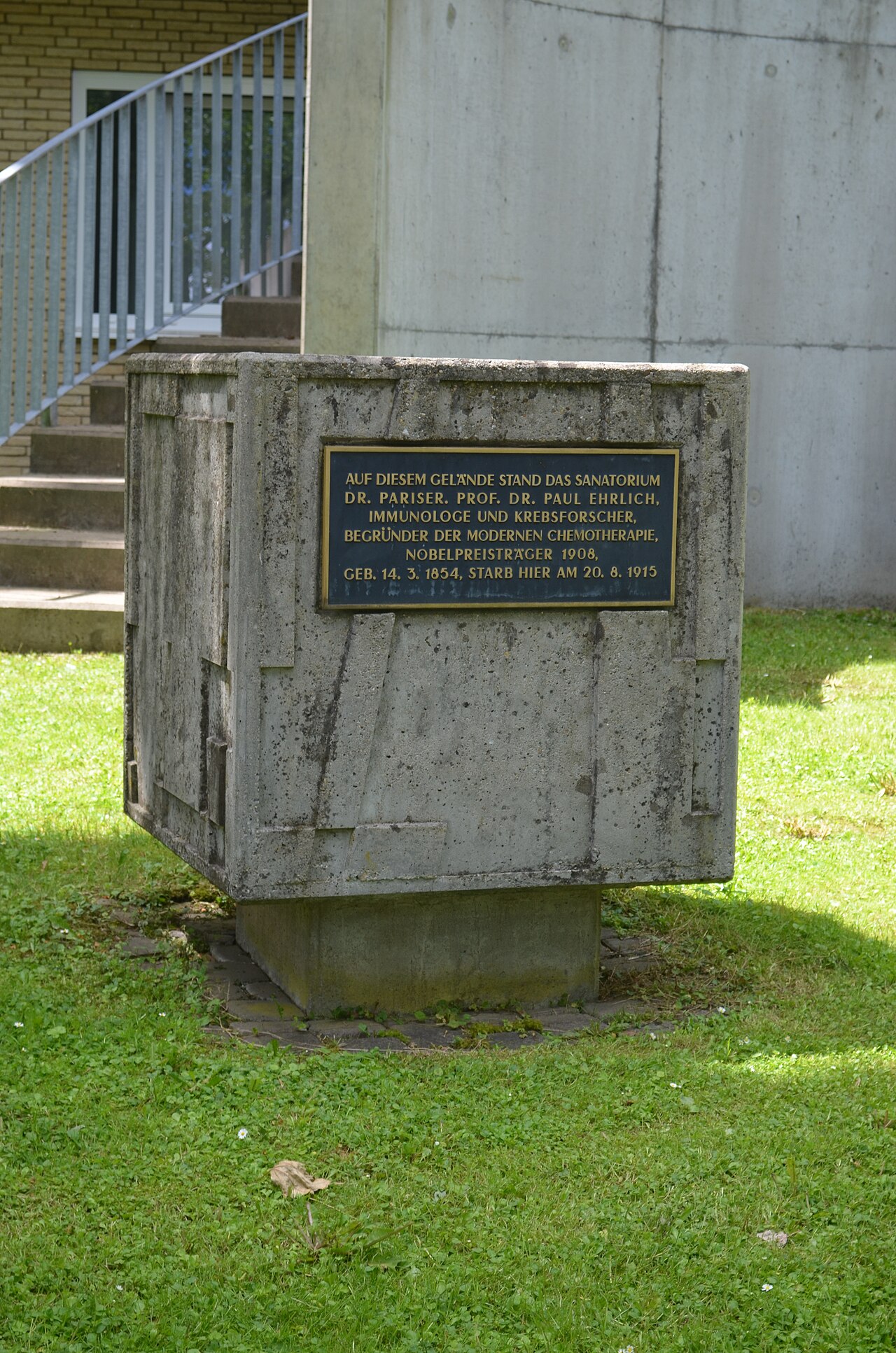
He was born on 14 March 1854 in Strehlen, Prussia, and passed away on 20 August 1915 in Frankfurt, Germany. His career spanned roughly five decades of groundbreaking laboratory and clinical work.
More in Pioneers In Medicine And Physiology 1-19
Related in Pioneers In Medicine And Physiology
Links follow this subject's own source article.
Spotted an error? Know more?
This is a living reference — every entry is fact-audited, and reader corrections feed straight into our audit queue. Suggest an edit · See this site's audit record