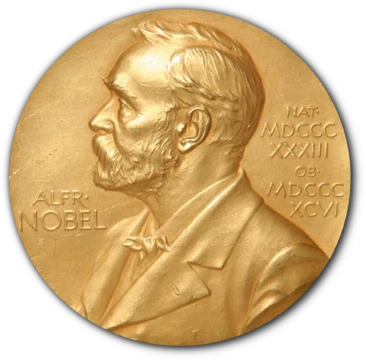
Otto Heinrich Warburg
Nobel laureate who discovered the respiratory enzyme and studied cancer metabolism.

via Wikipedia: Otto Heinrich Warburg · see source
Otto Heinrich Warburg was a German physiologist, medical doctor, and Nobel laureate. He was the sole recipient of the Nobel Prize in Physiology or Medicine in 1931 for his discovery of the nature and mode of action of the respiratory enzyme. His research on the metabolism of tumors and the respiration of cells, particularly cancer cells, showed that animal tumors produce large quantities of lactic acid. Over his career, he was nominated for the Nobel Prize 48 times.
- born
- 8 October 1883
- died
- 1 August 1970
- field
- Physiology, Medicine
- nationality
- German
- known_for
- Discovery of the respiratory enzyme; Warburg effect (cancer metabolism hypothesi
Verified Timeline
Lore & Background
Otto Heinrich Warburg was born in Freiburg im Breisgau in 1883. He studied chemistry under Emil Fischer, earning his doctorate in chemistry in Berlin in 1906, and later earned a medical degree in Heidelberg in 1911. During the First World War, he served as an officer in the elite Uhlans (cavalry) and was awarded the Iron Cross (1st Class) for bravery. He credited this experience with giving him insights into 'real life' outside academia. Albert Einstein, a friend of his father, wrote to Warburg at the behest of friends toward the end of the war, asking him to leave the army and return to academia, since it would be a tragedy for the world to lose his talents. Einstein and Warburg later became friends, and Einstein's work in physics had a great influence on Warburg's biochemical research. Warburg's scientific work included research on oxygen consumption in sea urchin eggs after fertilization, showing a sixfold increase in respiration rate, and demonstrating that iron is essential for larval development. He was appointed professor at the Kaiser Wilhelm Institute for Biology in 1918 and later became director of the Kaiser Wilhelm Institute for Cell Physiology in 1931. He investigated tumor metabolism and discovered that animal tumors produce large quantities of lactic acid, leading to his Nobel Prize. He was nominated for the award 48 times over the course of his career. Under the Nazi regime, Warburg, classified as a Halbjude (half-Jew) due to his father's Jewish heritage, was banned from teaching but allowed to continue research. He briefly lost his post in 1941 for making remarks critical of the Nazi regime but resumed work after a personal order from Hitler's Chancellery. Hermann Göring arranged for him to be classified as one-quarter Jewish. In September 1942, Warburg made an official request for equal status (Gleichstellung) with German Aryans, which was granted. He lived with his assistant Jacob Heiss in an elegant villa in Dahlem, Berlin. Despite offers from the Rockefeller Foundation to fund his work if he emigrated, he stayed in Germany, and after the war, his request to move to the United States was turned down.
Reader's Guide
Otto Heinrich Warburg's significance lies in his foundational discoveries in cellular respiration and metabolism, particularly his identification of the respiratory enzyme and his hypothesis that cancer arises from a shift from oxidative respiration to fermentation (the Warburg effect). This hypothesis, though later refined by the discovery of mutations in oncogenes and tumor suppressor genes, remains a cornerstone of cancer metabolism research. His work influenced numerous scientists, including three future Nobel laureates who worked in his lab, such as Sir Hans Adolf Krebs, who identified the citric acid cycle. Warburg's combined work in plant physiology, cell metabolism, and oncology made him an integral figure in the later development of systems biology. Despite controversies over his decision to remain in Nazi Germany, his scientific legacy endures, with his metabolic theories continuing to inform cancer research. His 48 Nobel nominations underscore the high regard for his work during his lifetime.
Did You Know?
- Warburg was the sole recipient of the Nobel Prize in Physiology or Medicine in 1931.
- He was nominated for the Nobel Prize 48 times over the course of his career.
- He served as an officer in the elite Uhlans (cavalry) during the First World War and was awarded the Iron Cross (1st Class) for bravery.
- Albert Einstein wrote to Warburg asking him to leave the army and return to academia, saying it would be a tragedy for the world to lose his talents.
- George Wald, while working with Warburg in 1932–1933, discovered vitamin A in the retina.
Scientific Breakthroughs and the Nobel Prize
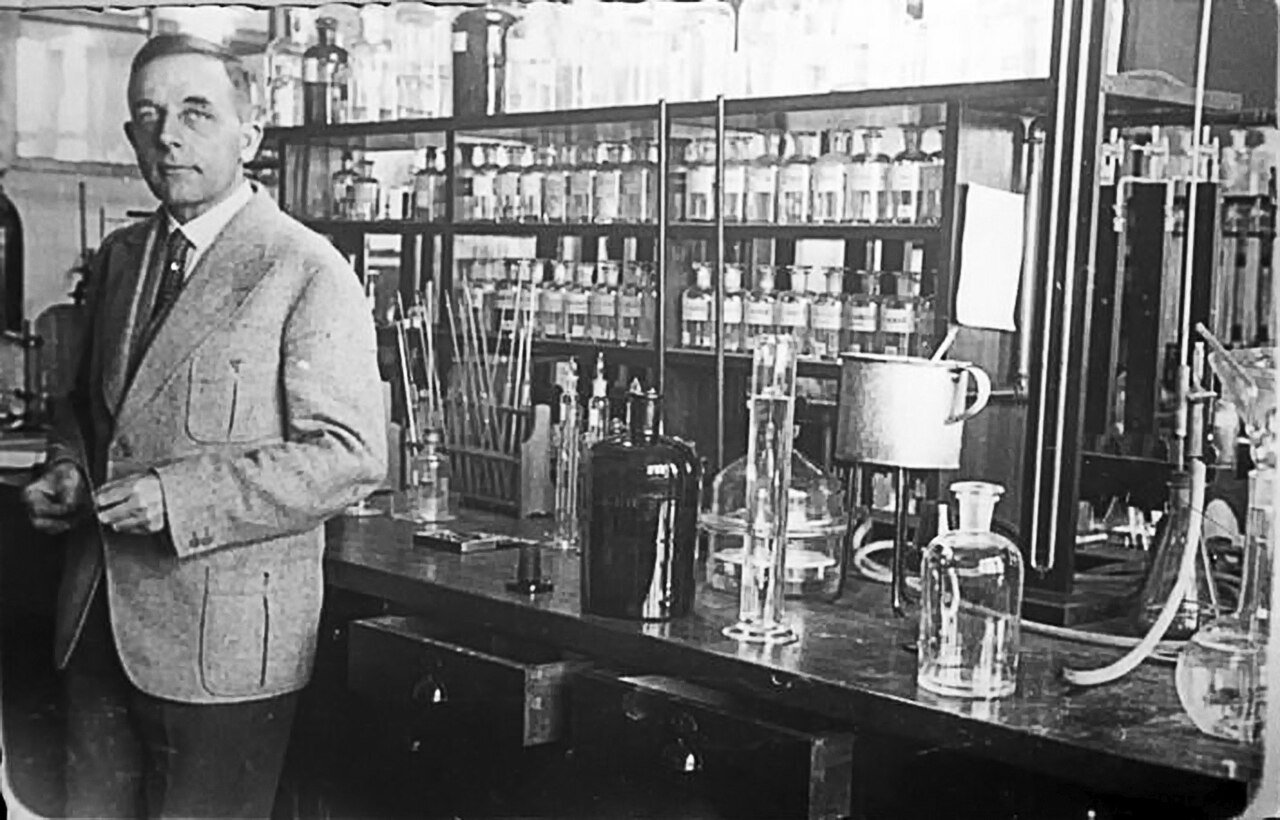
Otto Warburg's research arc moved from marine biology to one of the most consequential questions in twentieth-century medicine: how cells breathe, and what derails that process. While stationed at the Naples Marine Biological Station between 1908 and 1914, he measured oxygen uptake in sea urchin eggs and showed that fertilization triggers roughly a sixfold surge in respiration, while also establishing that iron is indispensable for larval development. After the war he was appointed professor at the Kaiser Wilhelm Institute for Biology in Berlin-Dahlem in 1918, and by 1931 he directed the newly created Kaiser Wilhelm Institute for Cell Physiology, established through a Rockefeller Foundation donation to the Kaiser Wilhelm Gesellschaft. His central finding—that animal tumors generate substantial quantities of lactic acid and that a specific respiratory enzyme governs cellular oxidation—earned him the 1931 Nobel Prize in Physiology or Medicine, awarded solely to him. The prize followed an extraordinary run of nominations: 46 over nine years beginning in 1923, with 13 arriving in the winning year alone. His influence reached the next generation as well; zoologist George Wald, working under Warburg in 1932–1933, discovered vitamin A in the retina.
Enduring the Nazi Regime
His mother came from a Protestant family of bankers and civil servants from Baden, while his father Emil, though a convert to Protestantism, traced his lineage to Orthodox Jews. Under the 1935 Reichsbürgergesetz, Warburg was classified as a Halbjude (half-Jew) or Mischling. His long-term companion Jacob Heiss—who had served since roughly 1918 as personal aide, secretary, and administrative assistant—added vulnerability under Nazi anti-homosexuality policy. The regime banned him from teaching yet permitted continued research, a concession driven by Hitler's personal obsession with cancer, a disease that had killed his own mother. Warburg's Iron Cross and cavalry service in the Great War proved decisive, as Jewish veterans were often exempted from the loss of citizenship mandated by the Nuremberg laws. Hermann Göring arranged to reclassify him as one-quarter Jewish, and in September 1942 Warburg formally received Gleichstellung, equal status with German Aryans. He refused the Nazi salute and provoked retaliation for doing so. In 1943 he relocated his lab to the village of Liebenburg to escape air raids. The Rockefeller Foundation reportedly offered to fund his work if he emigrated, yet he remained in Germany.
Education, the Sea, and the Front
Born in Freiburg im Breisgau on 8 October 1883, Warburg grew up at the intersection of two distinct worlds. Otto first studied chemistry under Emil Fischer, earning his doctorate in Berlin in 1906, then turned to medicine under Ludolf von Krehl at Heidelberg, completing that degree in 1911. From 1908 to 1914 he spent his formative research years at the Naples Marine Biological Station, where he maintained a lifelong friendship with the family of director Anton Dohrn. A devoted equestrian, he served as an officer in the elite Uhlans cavalry during the First World War and received the Iron Cross (1st Class) for bravery. He later described the front as giving him irreplaceable insight into 'real life' beyond the laboratory. Near the war's end, Albert Einstein—already a friend of his father—wrote urging Warburg to leave the army, calling it a tragedy for the world to lose his talents. The two men became close friends, and Einstein's physics would subtly shape Warburg's biochemical thinking.
A Life Devoted to Science
Beyond his publications and the Nobel medal, Warburg's personal world was defined by an almost monastic devotion to his work and a small circle of deep loyalties. He and Jacob Heiss shared an elegant villa in Dahlem, Berlin, where Heiss managed the household and the laboratory's administrative life for decades. Warburg's advice for an acquaintance who was experiencing emotional difficulties was characteristically blunt: 'Tell him not to think about anything but science—think about absolutely nothing else—only science.' His institute, originally funded by the Rockefeller Foundation and housed within the Kaiser Wilhelm Gesellschaft (later renamed the Max Planck Society), outlived him and continued to shape cell physiology; by 1968, Birgit Vennesland served as its director in West Berlin. Warburg was nominated for the Nobel Prize 48 times across his career, a testament to how widely his work was recognized even in the years before the 1931 award. He died on 1 August 1970, leaving behind a body of work that connected marine biology, enzyme chemistry, and oncology into a single coherent inquiry into how living cells consume oxygen and what happens when that machinery fails.
Gallery
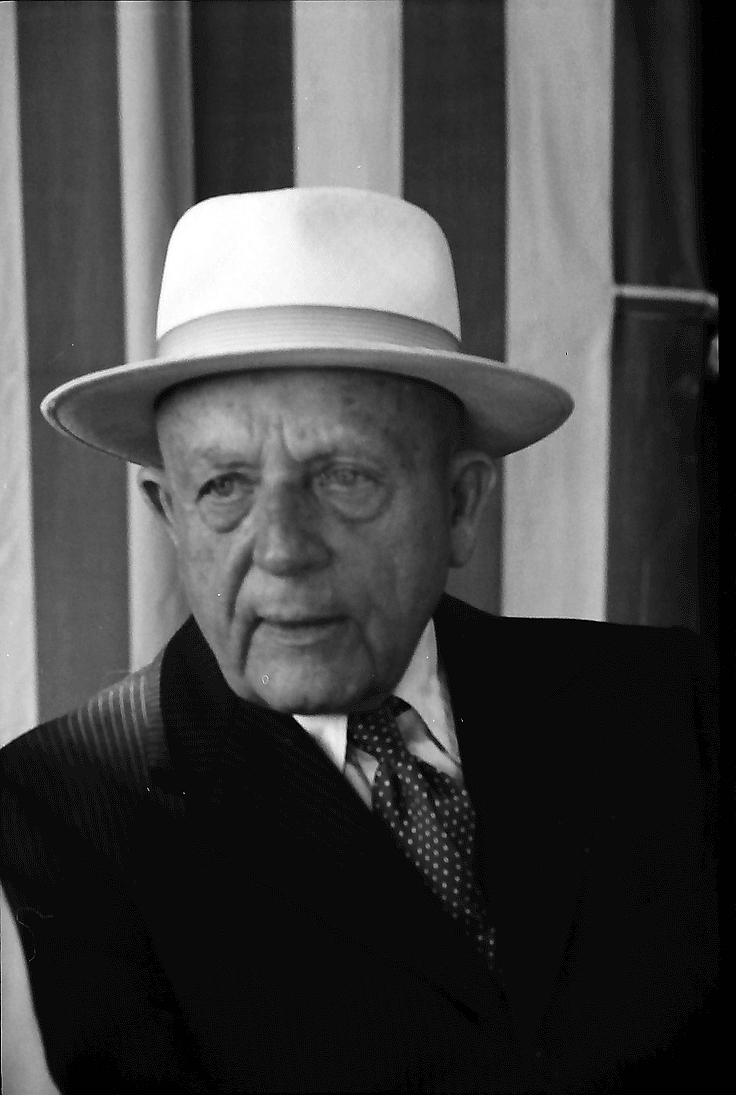
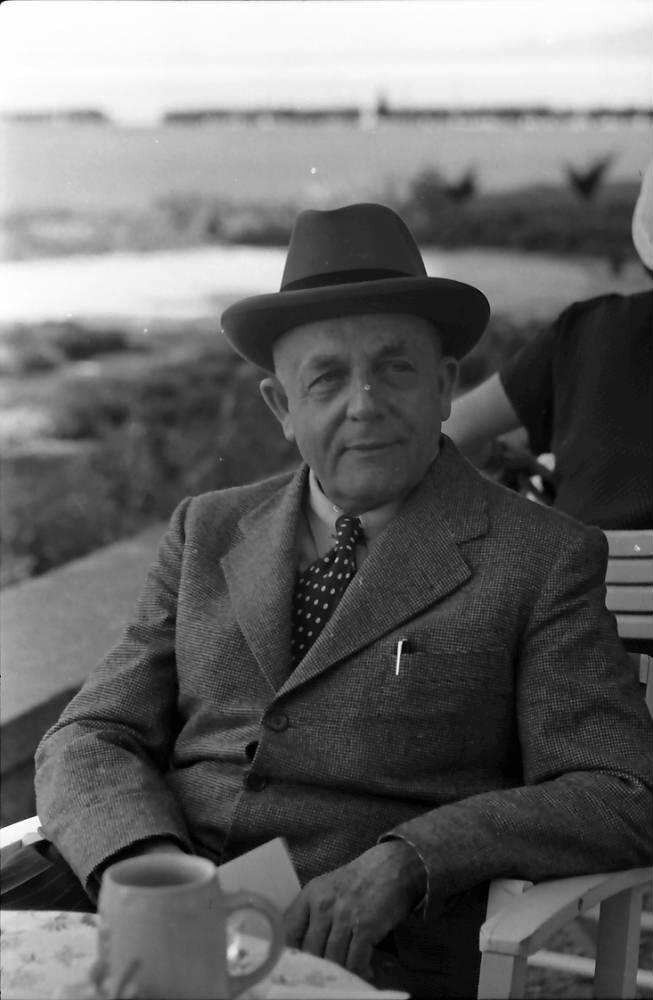
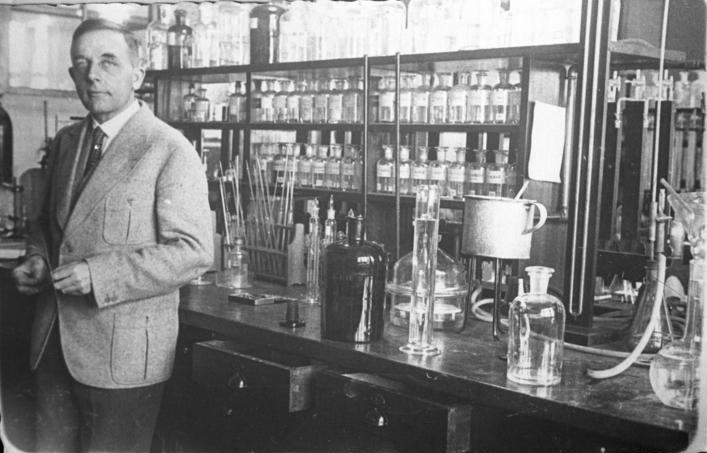
Frequently Asked Questions
Who is Otto Heinrich Warburg?
Otto Heinrich Warburg (1883–1970) was a German physician and physiologist who became a leading figure in biochemistry. He is best remembered for his groundbreaking work on how cells breathe and process energy, work that earned him the 1931 Nobel Prize in Physiology or Medicine.
What is the Warburg effect?
The Warburg effect is Warburg's hypothesis that cancer cells, even in the presence of oxygen, preferentially burn glucose through anaerobic glycolysis rather than through full oxidative respiration. This observation became a foundational concept in understanding tumor metabolism and remains central to modern oncology research.
When and why did Otto Heinrich Warburg receive the Nobel Prize?
Warburg was awarded the 1931 Nobel Prize in Physiology or Medicine for uncovering the nature of the respiratory enzyme and how it functions in cellular breathing. The committee recognized that his work clarified a previously obscure step in how living cells extract energy from oxygen.
What was Otto Heinrich Warburg's primary area of research?
His career centered on cellular respiration and the biochemistry of energy metabolism, with a particular focus on how cancer cells alter their metabolic pathways. He spent decades studying enzyme kinetics, gas exchange in tissues, and the biochemical differences between healthy and malignant cells.
Why does Otto Heinrich Warburg still matter to modern medicine?
His identification of altered glucose metabolism in tumors provided one of the earliest biochemical signatures used to distinguish cancer from normal tissue. Decades later, that insight directly influenced the development of PET imaging and targeted metabolic therapies in oncology.
More in Pioneers In Medicine And Physiology 1-19
Spotted an error? Know more?
This is a living reference — every entry is fact-audited, and reader corrections feed straight into our audit queue. Suggest an edit · See this site's audit record