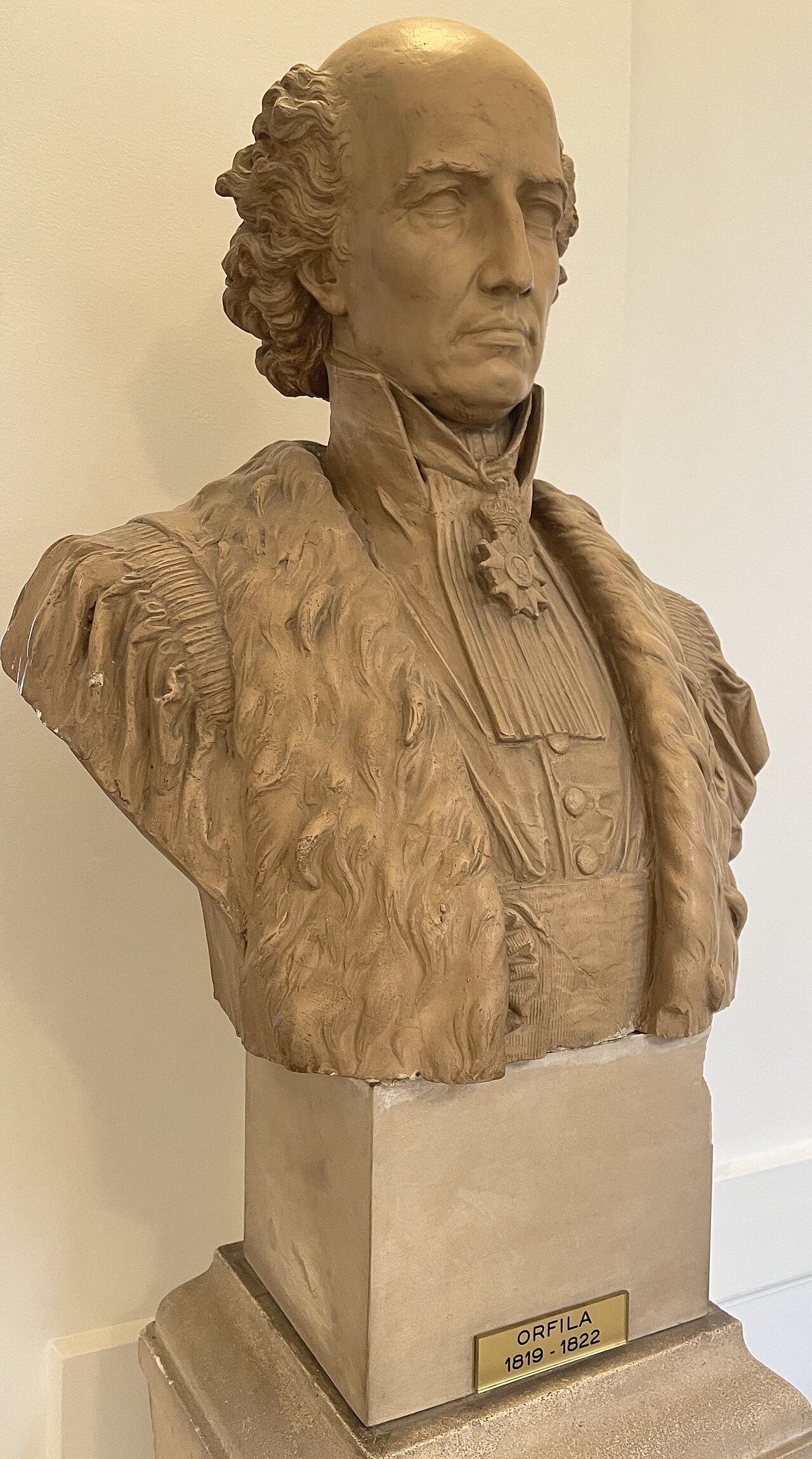
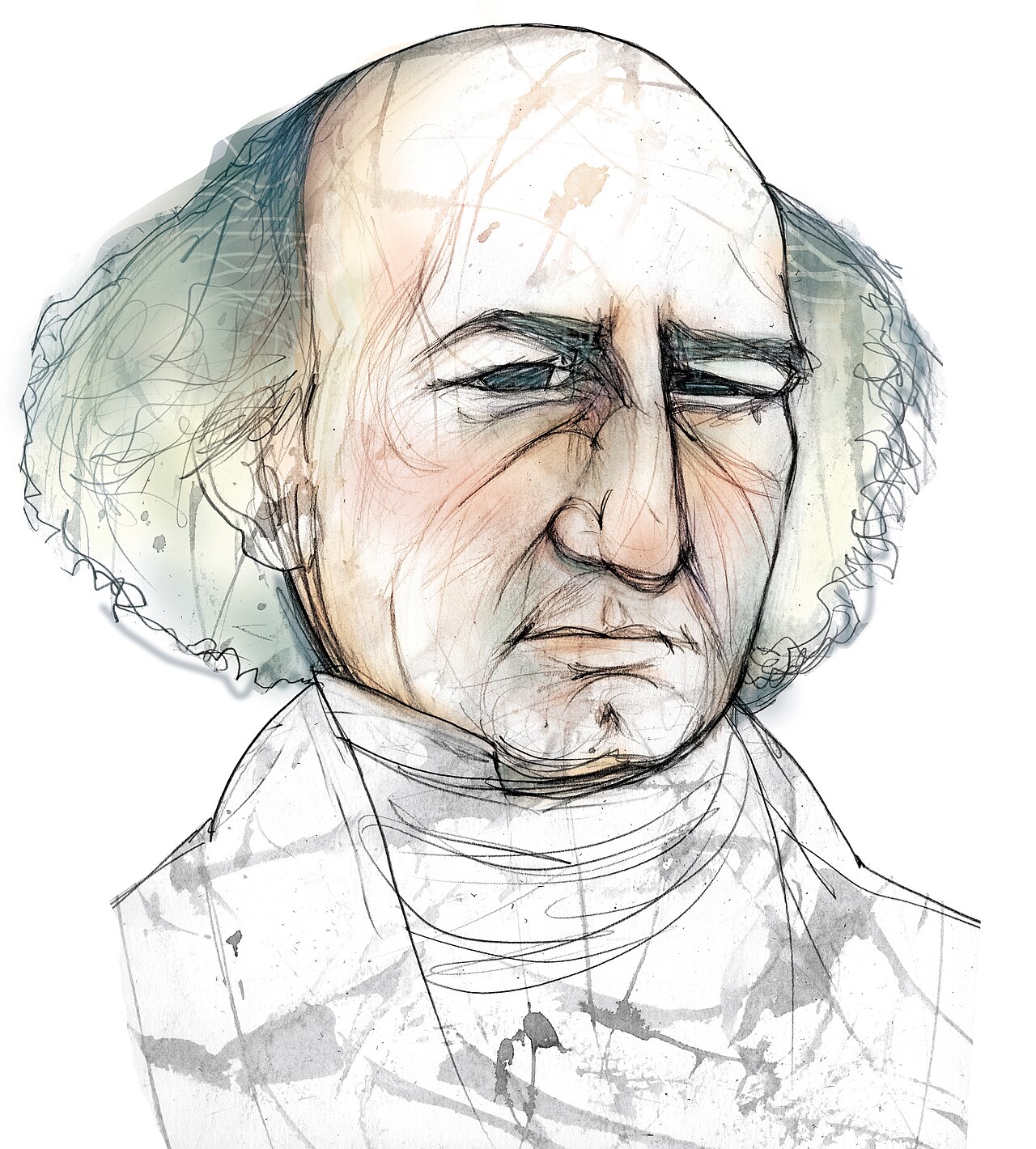
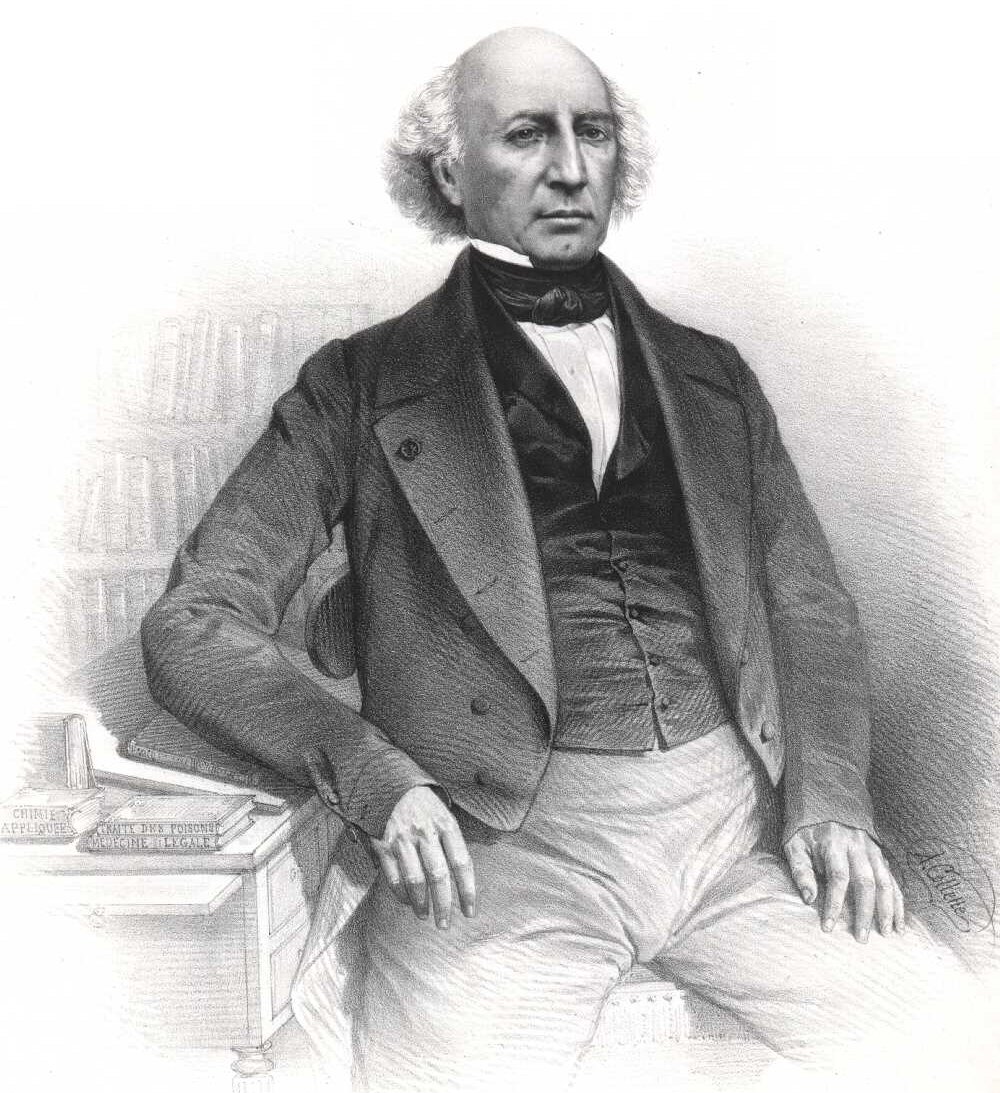
Mathieu Orfila
Spanish-born French toxicologist, father of modern toxicology.

via Wikipedia: List of Spanish inventors and discoverers · see source
He is regarded as the father of modern toxicology for his pioneering work in forensic toxicology, particularly in developing and refining methods to detect poisons in human tissues.
- born
- 24 April 1787
- died
- 12 March 1853
- field
- Toxicology, Chemistry
- nationality
- Spanish-born French
- known_for
- Father of modern toxicology; developing forensic toxicology; modifying the Marsh test for arsenic detection
Lore & Background
Orfila was born in Minorca and studied medicine in Valencia, Barcelona, and finally Paris. He received French citizenship in 1819, served as dean of the faculty of medicine from 1830 until his removal in 1848 during the revolution, and became president of the Academy of Medicine in 1851. Orfila's most notable contribution was his concept that poisons, when ingested, are absorbed into the body and target specific organs, leading to toxin buildup in those tissues. He proved he could recover arsenic from livers, spleens, hearts, and certain muscle tissues using a modified Marsh test in 1836. He adapted the test to handle larger liquid volumes, enabling blood tests. He applied this method in criminal cases, including the Lafarge and Mercier trials. Arsenic had been found in the victim's food but not in the corpse. Orfila discovered the Marsh test had been performed incorrectly and found arsenic in the body, leading to her conviction. Orfila's work brought forensic toxicology to public attention, as he demonstrated arsenic deposits to jurors, making evidence clear and establishing forensic toxicology as a strong field of expert evidence.
Reader's Guide
Orfila's significance lies in his foundational role in modern toxicology. He created and refined techniques for detecting poisons, particularly arsenic, which was the primary poison of his era. His concept that poisons are absorbed and accumulate in specific organs revolutionized forensic investigation. By modifying the Marsh test for use on human tissues, he provided a reliable method for proving poisoning in criminal cases. His work in the Lafarge trial demonstrated the power of forensic evidence in court, as he showed jurors the physical deposit of arsenic, reducing uncertainty. This helped establish forensic toxicology as a credible field of expert testimony. Orfila also wrote textbooks on iodine, potassium nitrate, and other toxic substances, studying effects, antidotes, and detection through experiments on dogs, a method common at the time but scrutinized by colleagues. His legacy endures as the father of modern toxicology, shaping how poisons are detected and understood in legal and medical contexts.
Did You Know?
- Orfila was born in Minorca and studied medicine in Valencia, Barcelona, and Paris.
- He was appointed royal physician to Louis XVIII in 1816.
- He modified the Marsh test to handle larger volumes of liquids, enabling blood tests for arsenic.
- In the 1840 Lafarge trial, Orfila proved arsenic was present in the corpse after an incorrect test had failed to find it.
Gallery
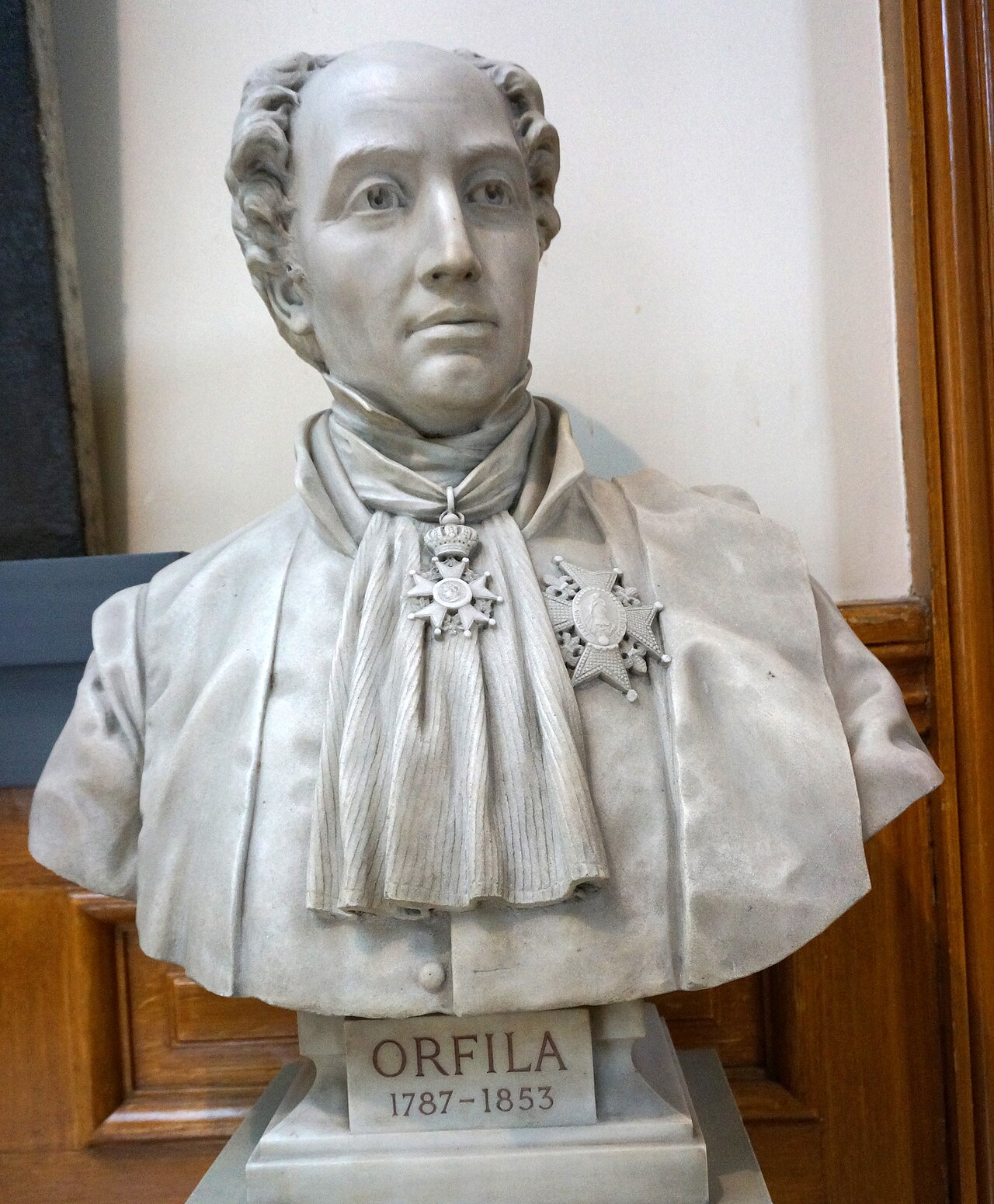
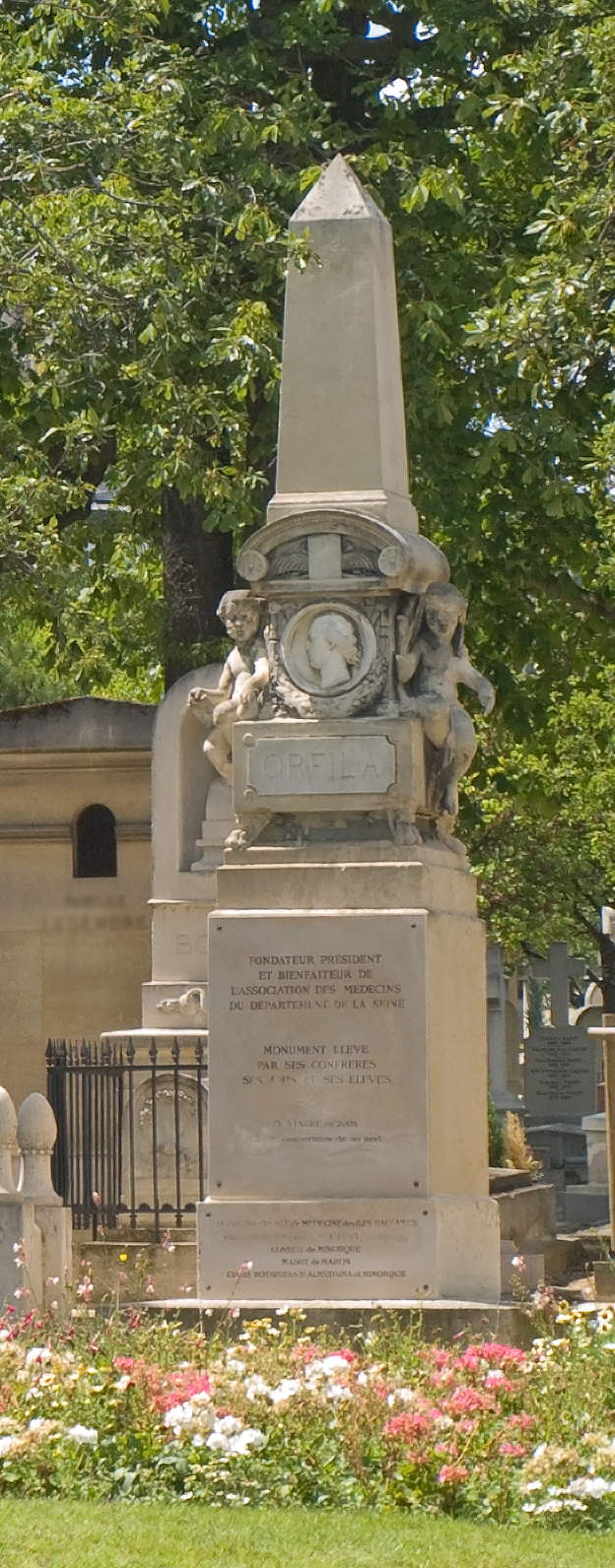
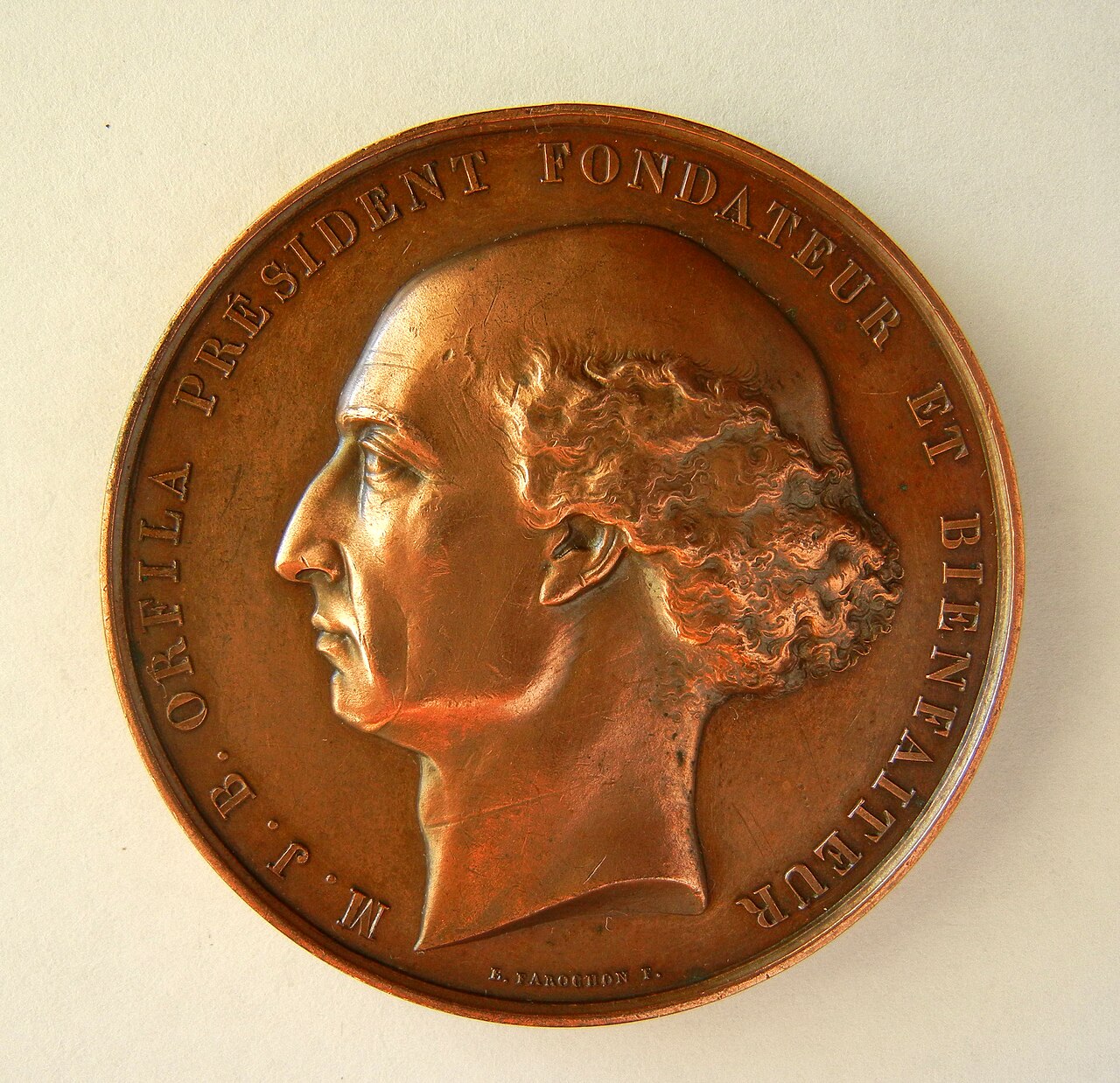
Frequently Asked Questions
Who is Mathieu Orfila?
Mathieu Orfila (1787–1853) was a Spanish-born French chemist and toxicologist who became the central figure in establishing forensic toxicology as a formal scientific discipline.
What is Mathieu Orfila best known for?
He is widely credited as the father of modern toxicology, having developed and refined systematic laboratory methods for identifying poisons in human tissue. His work laid the groundwork for all subsequent forensic toxicology practice.
What specific technique did Mathieu Orfila contribute to?
Orfila modified the Marsh test, a chemical procedure used to detect arsenic, improving its reliability for use in legal and medical investigations of suspected poisoning.
What was Mathieu Orfila's nationality and background?
Born in Spain in 1787, he later became a French citizen and spent his professional career in France, where he held academic positions and conducted his landmark toxicology research.
Why is Mathieu Orfila considered a pioneer in medicine and physiology?
Before his work, detecting poisons in the body relied on crude and unreliable methods. By creating rigorous, repeatable analytical procedures for identifying toxic substances in tissues, he transformed poisoning cases from matters of speculation into matters of scientific evidence.
More in Pioneers In Medicine And Physiology 1-19
Spotted an error? Know more?
This is a living reference — every entry is fact-audited, and reader corrections feed straight into our audit queue. Suggest an edit · See this site's audit record