Michael DeBakey
Cardiovascular surgeon and chair of surgery at Baylor College of Medicine.

via Wikipedia: Baylor College of Medicine · see source
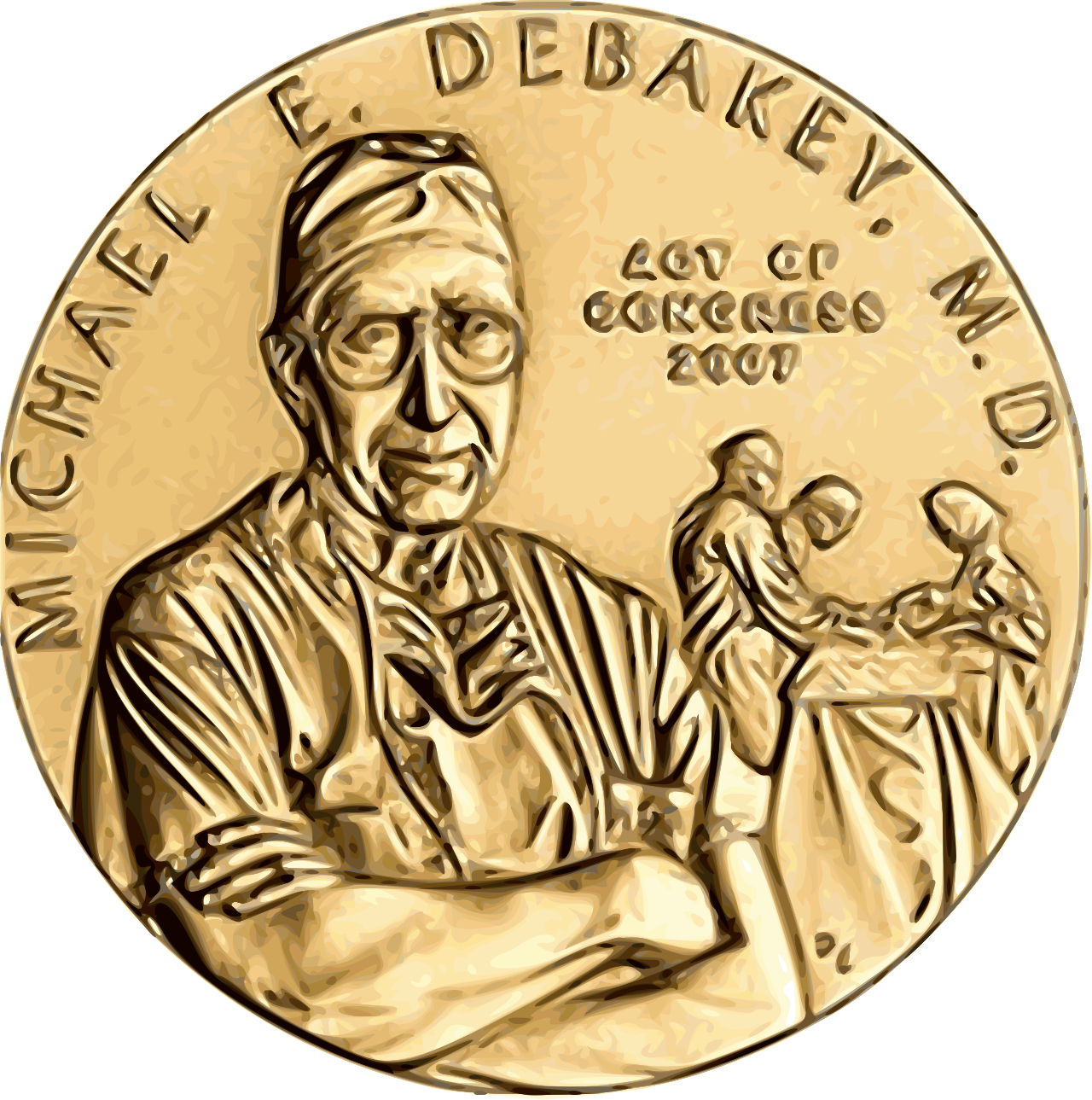
Michael E. DeBakey joined the faculty of Baylor University College of Medicine in 1948 as chair of the Department of Surgery. His surgical techniques in the 1950s garnered international attention, and his work is directly tied to Baylor's rise in prominence during that decade. DeBakey's career at the college spanned a period of major institutional change, including the school's separation from Baylor University in 1969 and its first major expansion in the 1960s. The Michael E. DeBakey VA Medical Center, an affiliated teaching hospital of Baylor College of Medicine, bears his name.
- field
- General and cardiovascular surgery, medical education
Verified Timeline
Lore & Background
Michael E. DeBakey joined the faculty of the Baylor University College of Medicine in 1948 as chair of the Department of Surgery. During the 1950s, DeBakey's surgical techniques garnered international attention, and this period is explicitly tied to Baylor's rise in prominence. The college underwent its first major expansion in the 1960s. In 1969, the college separated from Baylor University and became an independent institution, changing its name to Baylor College of Medicine. That same year, BCM negotiated with the Texas Legislature to double its class size. The Michael E. DeBakey VA Medical Center is listed among the affiliated teaching hospitals and research institutes of Baylor College of Medicine.
Reader's Guide
Michael E. DeBakey's significance at Baylor College of Medicine is rooted in his role as chair of the Department of Surgery, a position he assumed in 1948. His surgical innovations in the 1950s brought international recognition to the institution, directly contributing to its rise in prominence. This period of recognition set the stage for the college's first major expansion in the 1960s. DeBakey's tenure also coincided with the college's separation from Baylor University in 1969, which allowed it to access federal research funding and double its class size. His legacy is permanently marked in the Houston medical landscape through the Michael E. DeBakey VA Medical Center, one of the college's affiliated teaching hospitals.
Did You Know?
- Michael E. DeBakey joined the Baylor University College of Medicine faculty as chair of the Department of Surgery in 1948.
- Baylor's rise in prominence began in the 1950s when DeBakey's surgical techniques garnered international attention.
- The college separated from Baylor University and became an independent institution in 1969, the same year it negotiated to double its class size.
- The Michael E. DeBakey VA Medical Center is an affiliated teaching hospital of Baylor College of Medicine.
Arrival at a Rising Institution
In 1948, Michael E. DeBakey joined the faculty as chair of the Department of Surgery at what was then the Baylor University College of Medicine. The school had relocated from Dallas to the Texas Medical Center in 1943, initially operating out of a converted Sears, Roebuck & Co. At this time, the college was still part of Baylor University in Waco and would not become an independent institution until 1969.
Surgical Innovation and International Recognition
Baylor's rise in prominence began in the 1950s when Michael E. DeBakey's surgical techniques garnered international attention. This recognition is explicitly tied to the college's own ascent during that decade. The momentum from this period carried the institution into the 1960s, when it underwent its first major expansion. DeBakey's work during the 1950s helped establish the college's reputation on a national and global stage, providing the credibility for that growth.
A Name Endured in the Medical Landscape
The Michael E. DeBakey VA Medical Center is one of the affiliated teaching hospitals and research institutes of Baylor College of Medicine. It is listed alongside other major facilities such as Harris Health System's Ben Taub Hospital, Texas Children's Hospital, The University of Texas MD Anderson Cancer Center, TIRR Memorial Hermann, the Menninger Clinic, and the Children's Hospital of San Antonio. This naming represents a permanent fixture in the regional healthcare infrastructure, embedding his identity into the daily work of treating veterans and conducting medical research.
The DeBakey Era and Baylor's Transformation
Michael DeBakey's tenure as chair of Surgery at Baylor University College of Medicine spanned a period of profound institutional change. He arrived in 1948, when the school was still operating under the Baylor University name. The college separated from Baylor University in 1969, becoming an independent institution and gaining access to federal research funding. That same year, BCM negotiated with the Texas Legislature to double its class size. In the 1960s, the college underwent its first major expansion, building on the foundation of reputation established in the 1950s when DeBakey's surgical techniques garnered international attention.
Gallery
Frequently Asked Questions
Who is Michael DeBakey?
Michael Ellis DeBakey (1908–2008) was an American cardiovascular surgeon, scientist, and medical educator whose career at the Texas Medical Center in Houston spanned close to eight decades.
What are Michael DeBakey's most notable surgical contributions?
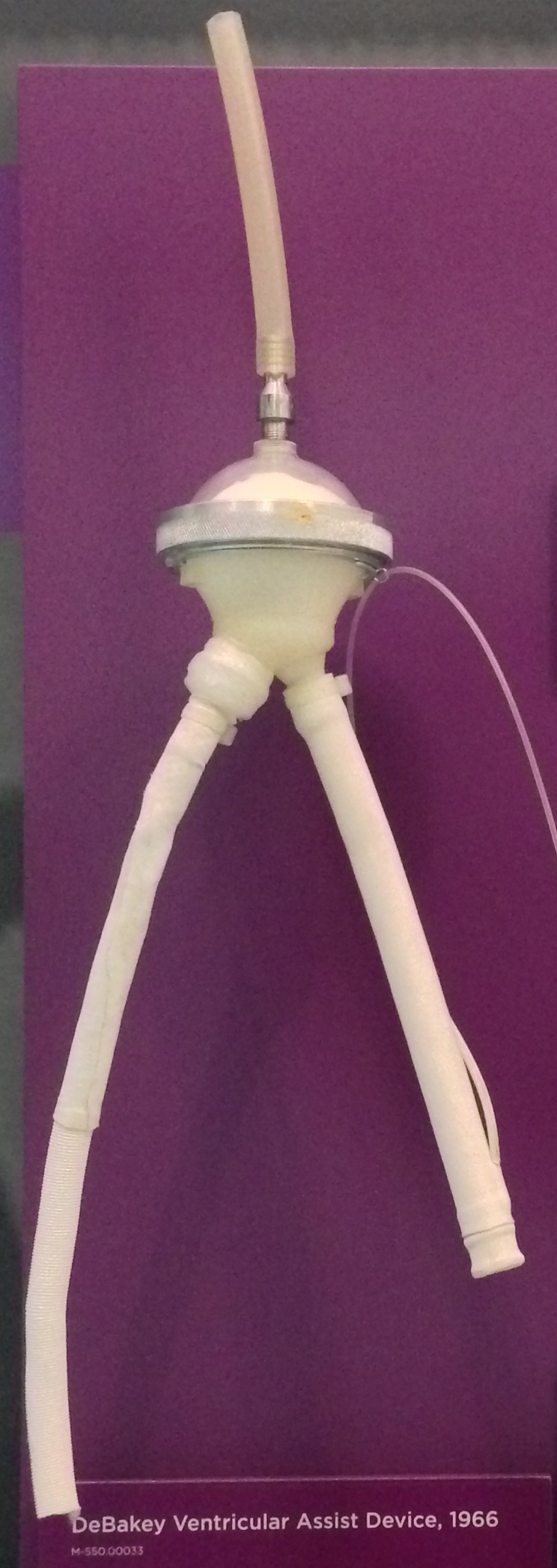
He is credited with pioneering aortic aneurysm repair techniques, developing ventricular assist devices, and introducing prosthetic vascular substitutes such as Dacron arterial grafts. His work also included the first successful carotid endarterectomy and the roller pump for blood transfusion.
What leadership roles did Michael DeBakey hold at Baylor College of Medicine?
He served as Chairman of the Department of Surgery, President, and Chancellor of Baylor College of Medicine, all based within the Texas Medical Center in Houston.
Why is Michael DeBakey considered a pioneer in cardiovascular medicine?
His introduction of prosthetic vascular substitutes and patch-graft angioplasty gave surgeons entirely new tools to treat aortic and peripheral vascular disease, fundamentally changing how cardiovascular conditions were managed.
When was Michael DeBakey born and when did he die?
He was born on September 7, 1908, and passed away on July 11, 2008, living to the age of ninety-nine.
More in Pioneers In Medicine And Physiology 1-19
Spotted an error? Know more?
This is a living reference — every entry is fact-audited, and reader corrections feed straight into our audit queue. Suggest an edit · See this site's audit record