Luc Montagnier
French virologist who co-discovered HIV and won the Nobel Prize.

via Wikipedia: Luc Montagnier · see source
Luc Montagnier was a French virologist who, with Françoise Barré-Sinoussi, discovered the human immunodeficiency virus (HIV), for which they shared one half of the 2008 Nobel Prize in Physiology or Medicine; the other half was awarded separately to Harald zur Hausen. His work at the Pasteur Institute in Paris led to the first isolation of HIV in 1983, though a subsequent dispute with American researcher Robert Gallo over credit and patent rights was resolved only after high-level diplomatic intervention. Later in his career, Montagnier drew criticism for promoting unsubstantiated health claims and, during the COVID-19 pandemic, for advancing the lab-leak theory that SARS-CoV-2 was deliberately created and escaped from a laboratory—a claim rejected by other virologists.
- born
- 18 August 1932
- died
- 8 February 2022
- field
- Virology
- nationality
- French
- known_for
- Discovery of HIV; 2008 Nobel Prize in Physiology or Medicine
Verified Timeline
Lore & Background
Montagnier was born in Chabris, central France, on 18 August 1932, and became interested in science as a teenager. He studied at the University of Poitiers and later earned a PhD while working as an assistant at Sorbonne University. After postdoctoral work in the UK at the Virus Research Unit in Carshalton and the Glasgow Institute of Virology, he developed a soft agar culture medium for viruses. From 1965 until 1972 he was Laboratory Chief at the Institut Curie, then moved to the Pasteur Institute to study interferon's effects on viruses. In 1982, clinician Willy Rozenbaum asked Montagnier to investigate the cause of AIDS. Montagnier's team, including Françoise Barré-Sinoussi and Jean-Claude Chermann, isolated a retrovirus from a lymph node biopsy and published their findings in Science on 20 May 1983, naming it lymphadenopathy-associated virus (LAV). A team led by Robert Gallo published similar findings in the same issue of Science and later confirmed the virus caused AIDS, calling it HTLV-III. A bitter dispute over priority and patent rights ensued, resolved in 1987 after meetings between French President François Mitterrand and U.S. President Ronald Reagan, with both scientists eventually sharing credit and the virus renamed HIV. Montagnier later worked as a full-time professor at Shanghai Jiao Tong University in China. In 2017, he was criticised by other academics for using his Nobel prize status to spread dangerous health messages outside of his field of knowledge. During the COVID-19 pandemic, he promoted the lab-leak theory that SARS-CoV-2 was deliberately created and escaped from a laboratory, a claim rejected by other virologists.
Reader's Guide
Luc Montagnier's legacy is defined by his pivotal role in the discovery of HIV, a breakthrough that transformed the understanding and management of AIDS and earned him the 2008 Nobel Prize. However, his later years were marked by controversy: he faced criticism from fellow academics for leveraging his Nobel prestige to disseminate unsubstantiated health claims, and during the COVID-19 pandemic he advanced the lab-leak theory for SARS-CoV-2, a position that other virologists rejected. The dispute with Robert Gallo over who first isolated HIV—resolved through diplomatic intervention and shared credit—underscores the complex interplay of scientific competition, national pride, and patent rights. Montagnier's early technical contributions, such as developing a soft agar culture medium for viruses, and his leadership at the Pasteur Institute remain foundational, but his later forays outside his expertise have complicated his reputation. His career illustrates both the heights of Nobel-recognized discovery and the perils of straying beyond one's field of knowledge.
Did You Know?
- Montagnier was born in Chabris, central France, on 18 August 1932.
- He developed a soft agar culture medium to culture viruses while at the Glasgow Institute of Virology.
- His team first isolated HIV in 1983 from a lymph node biopsy and named it LAV (lymphadenopathy-associated virus).
- The dispute over who discovered HIV was resolved only after French President François Mitterrand and U.S. President Ronald Reagan met in person.
- Montagnier died in Neuilly-sur-Seine on 8 February 2022 at the age of 89.
The Road to Virology
Luc Montagnier's path into science began in the small town of Chabris, in central France, where he was born on 18 August 1932. A teenager with a keen curiosity about the natural world, he went on to study at the University of Poitiers before earning his doctorate at Sorbonne University in Paris. His early postdoctoral years took him across the Channel: in 1960 he joined the Virus Research Unit of the Medical Research Council in Carshalton, England, and by 1963 he was at the Glasgow Institute of Virology, where he devised a soft agar culture medium that allowed viruses to be grown in the laboratory. Back in France, he served as Laboratory Chief at the Institut Curie from 1965 until 1972, studying interferon and its effects on viral replication. He then moved to the Pasteur Institute in Paris, where he would spend much of his career. In his later professional life, Montagnier also held a full-time professorship at Shanghai Jiao Tong University in China, extending his academic reach well beyond Europe.
Isolating the AIDS Virus
In 1982, clinician Willy Rozenbaum at Paris's Hôpital Bichat reached out to Montagnier, asking for help identifying the cause of a devastating new syndrome then called GRID. Rozenbaum had suggested at scientific meetings that a retrovirus might be responsible. Montagnier's Pasteur Institute team, which included Françoise Barré-Sinoussi and Jean-Claude Chermann, brought deep expertise in retroviral biology to the problem. By 1983 they had identified an unknown virus in a lymph node biopsy taken from one of Rozenbaum's patients. Because the link to AIDS was not yet confirmed, they called it LAV—lymphadenopathy-associated virus—and reported their findings in Science on 20 May 1983. In that same issue, Robert Gallo's American team published a parallel identification, naming their isolate HTLV-III. The near-simultaneous announcements ignited a bitter, years-long dispute over who had truly discovered the virus first, a conflict that would eventually require diplomatic intervention at the highest political level.
The Dispute and Its Resolution
The rivalry between Montagnier's and Gallo's groups became one of the most contentious episodes in modern virology. Both teams published in the same issue of Science in May 1983, and for years the question of priority remained unresolved. The stakes extended far beyond academic pride: a United States government patent covering the AIDS diagnostic test, filed on the basis of Gallo's claimed identification, hung in the balance. In 1987 the two governments brokered a compromise, splitting patent proceeds equally and naming both scientists co-discoverers. The personal feud between Montagnier and Gallo persisted until French President François Mitterrand and American President Ronald Reagan met in person, after which the two researchers finally agreed to share credit. In 1986 the competing names LAV and HTLV-III were retired in favor of the unified term HIV. A 1993 investigation led by Sheng-Yung Chang, published in Nature, examined archival samples and concluded that the American isolate had in fact originated from the French laboratory, clearing Gallo's group of earlier misconduct charges while confirming Montagnier's team as the first to isolate the virus.
Recognition, Controversy, and Final Years
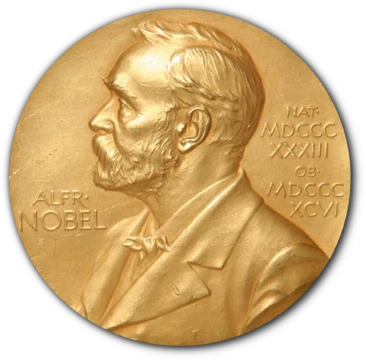
Montagnier's identification of HIV earned him the 2008 Nobel Prize in Physiology or Medicine, shared with Françoise Barré-Sinoussi and Harald zur Hausen. The award cemented his place in medical history, yet it also made him a lightning rod for later controversies. In 2017, fellow academics publicly criticised him for using his Nobel prize status to spread dangerous health messages outside of his field of knowledge. During the COVID-19 pandemic, Montagnier drew particular fire for publicly advocating the theory that SARS-CoV-2 had been deliberately created in a laboratory and subsequently escaped. Other virologists rejected this claim. Luc Montagnier died in Neuilly-sur-Seine on 8 February 2022, at the age of 89, leaving behind a legacy defined by one of the most consequential discoveries in twentieth-century medicine, complicated by a final chapter of public controversy.
Gallery




Frequently Asked Questions
Who is Luc Montagnier?
Luc Montagnier was a French virologist, born on 18 August 1932, who spent much of his research career at the Pasteur Institute in Paris. He is most widely recognized for his central role in identifying the virus that causes AIDS.
What did Luc Montagnier discover?
Working alongside Françoise Barré-Sinoussi, Montagnier achieved the first isolation of HIV in 1983 at the Pasteur Institute. This breakthrough established the virus responsible for the AIDS epidemic.
Did Luc Montagnier win a Nobel Prize?
Yes; in 2008 he shared one half of the Nobel Prize in Physiology or Medicine with Françoise Barré-Sinoussi for their identification of HIV. The remaining half was awarded to Harald zur Hausen for unrelated work.
What was the dispute between Montagnier and Robert Gallo?
After the 1983 isolation of HIV, American researcher Robert Gallo asserted independent discovery rights, sparking a prolonged fight over credit and patent ownership. The conflict was ultimately resolved through high-level diplomatic intervention rather than a straightforward scientific ruling.
When did Luc Montagnier die?
Montagnier passed away on 8 February 2022, at the age of 89. In his final years he also drew public criticism for promoting health claims that lacked solid scientific backing.
More in Pioneers In Medicine And Physiology 1-19
Related in Pioneers In Medicine And Physiology
Links follow this subject's own source article.
Spotted an error? Know more?
This is a living reference — every entry is fact-audited, and reader corrections feed straight into our audit queue. Suggest an edit · See this site's audit record