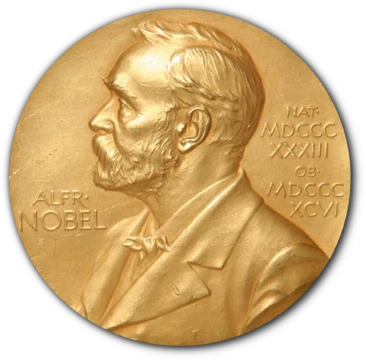
Max Theiler
Developed the yellow fever vaccine; first African-born Nobel laureate.

via Wikipedia: Max Theiler · see source
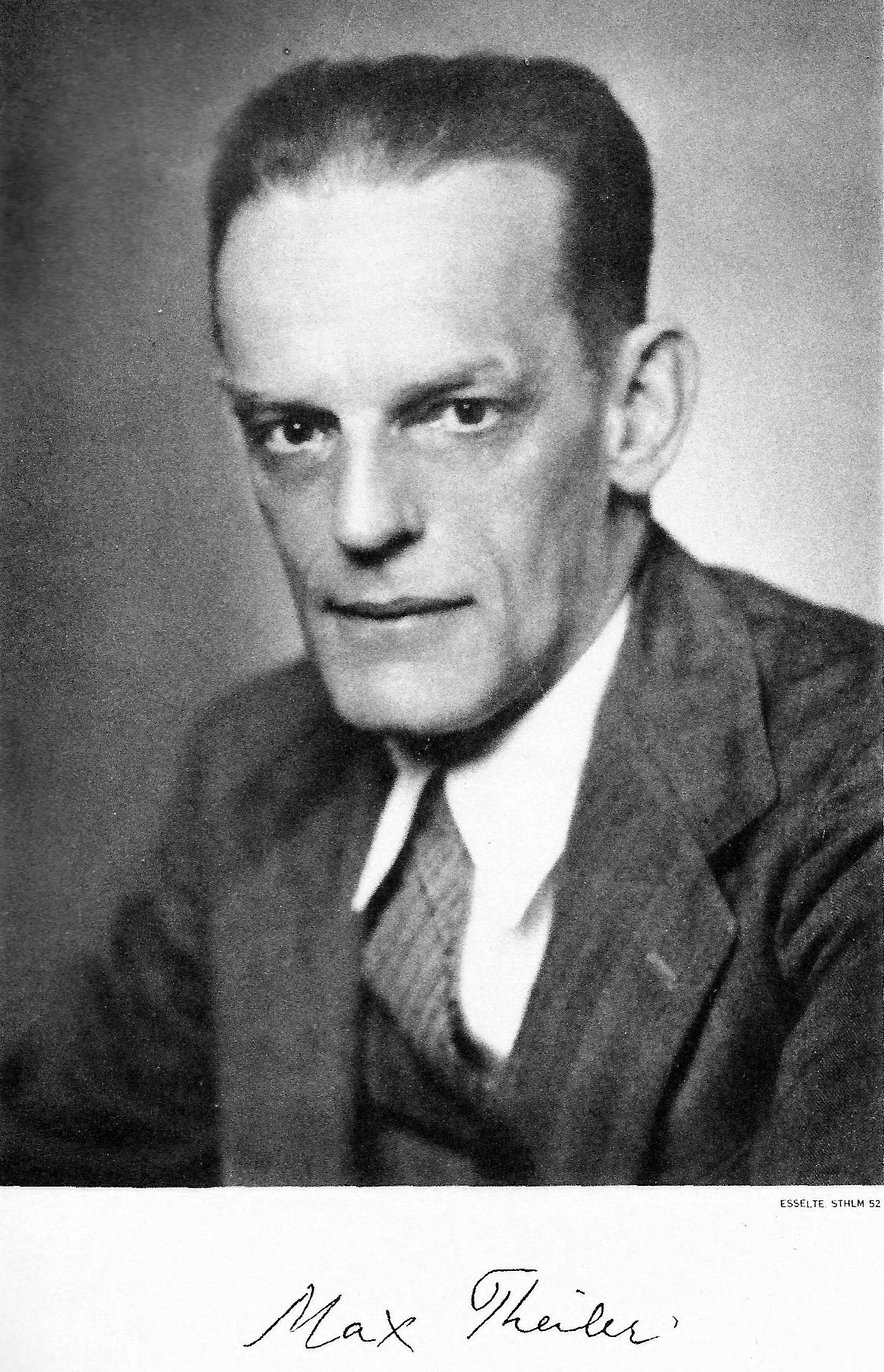
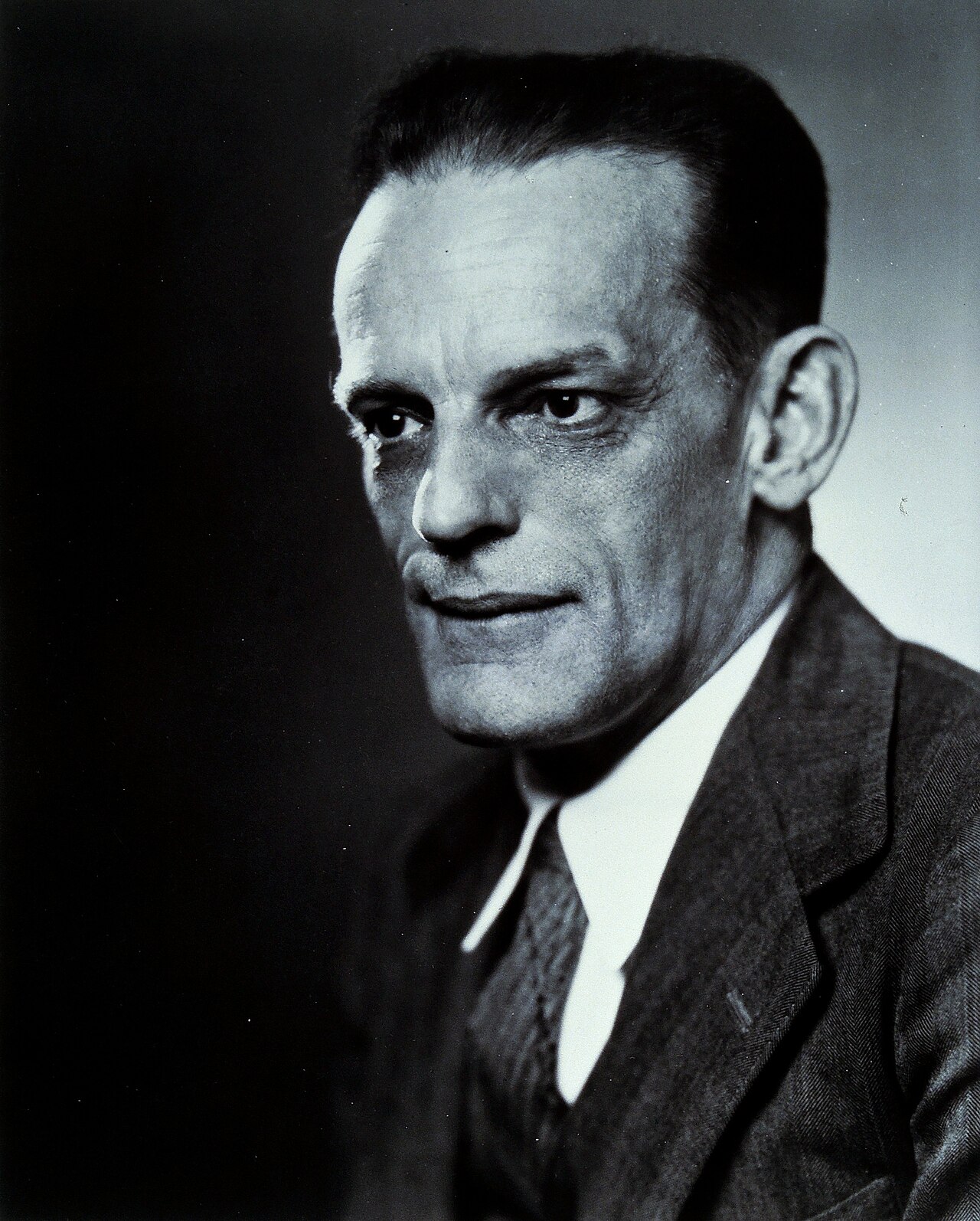
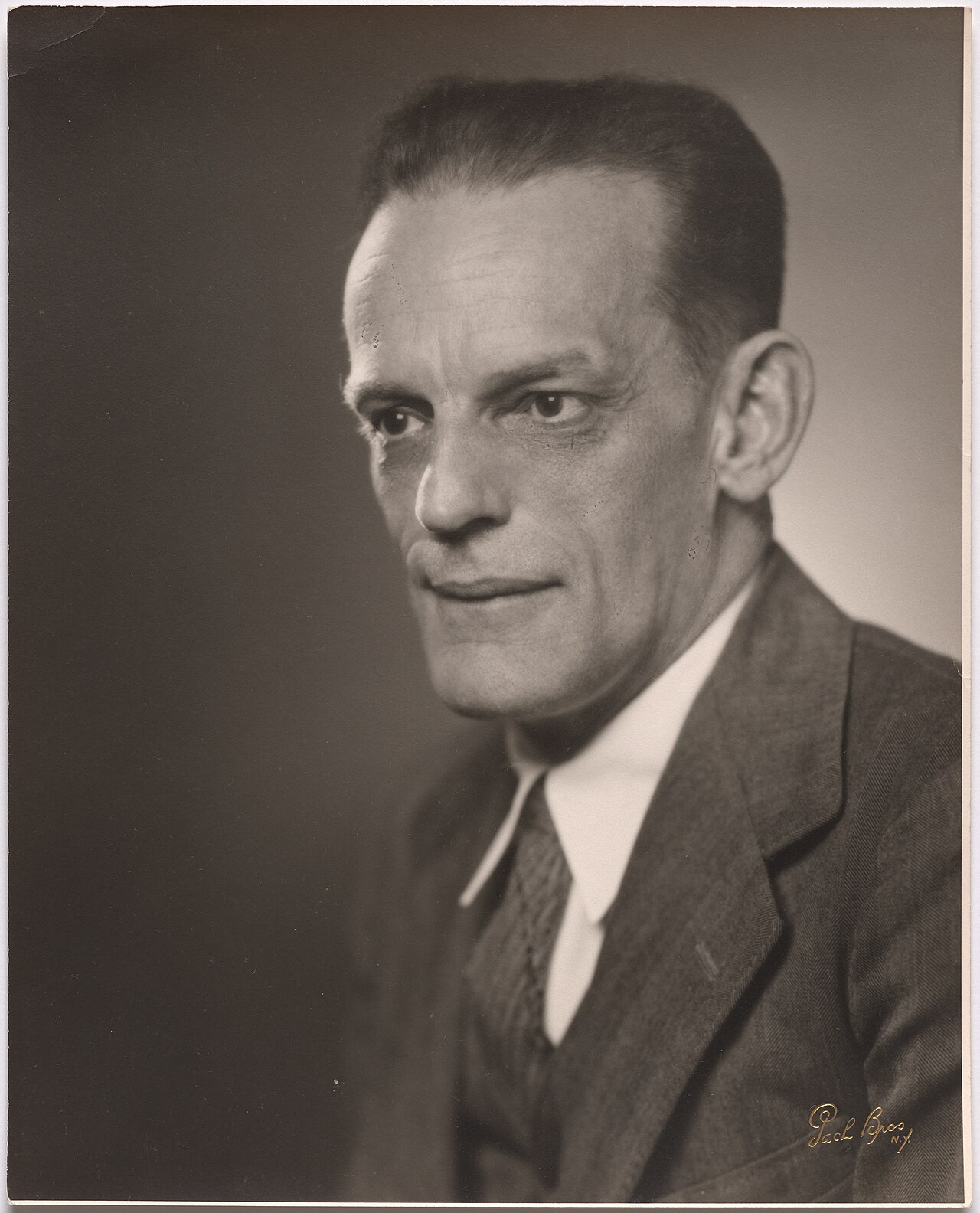
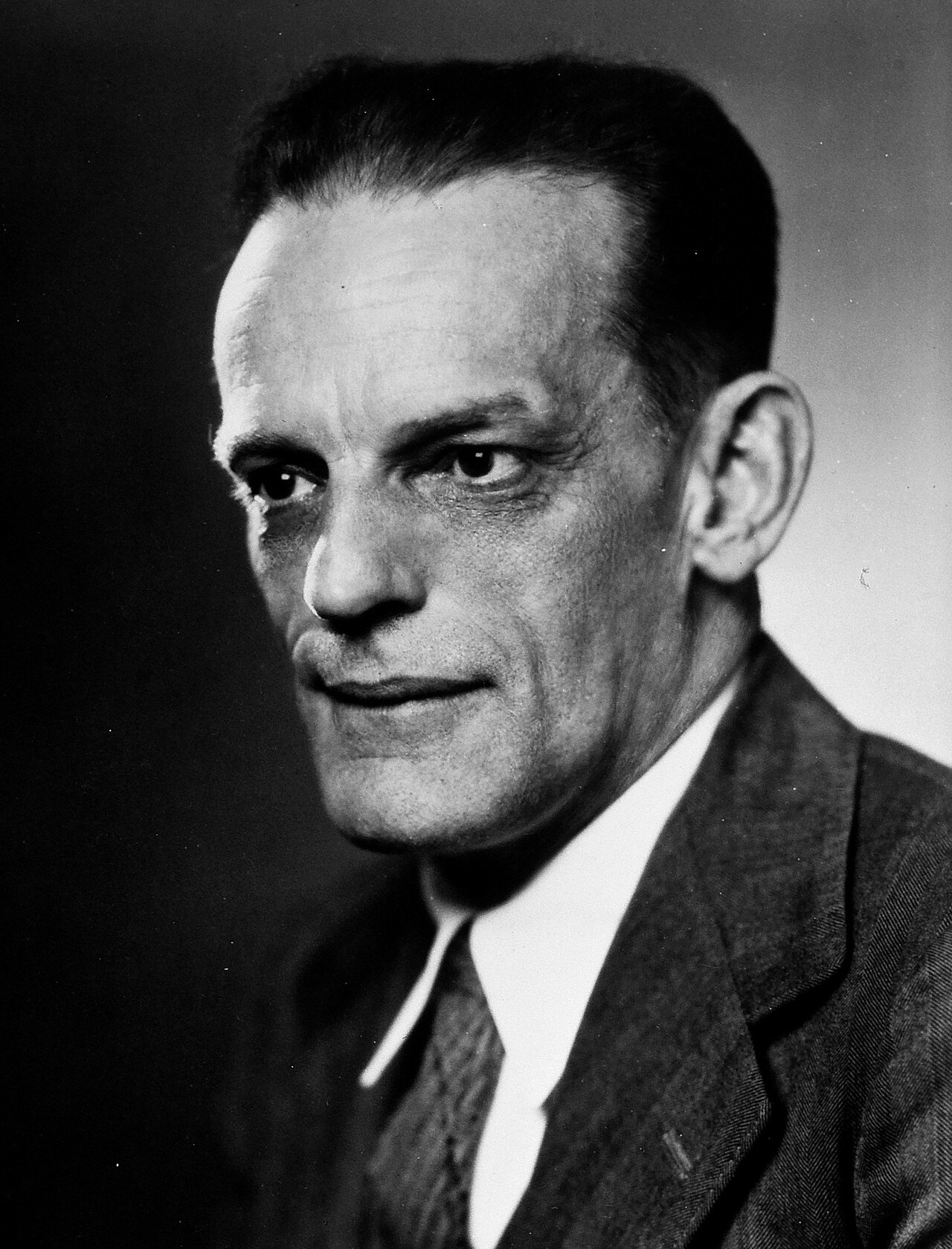
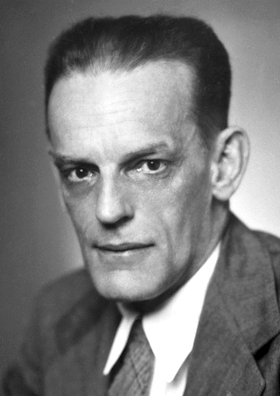
Max Theiler (30 January 1899 – 11 August 1972) was a South African-American virologist and physician. He was awarded the Nobel Prize in Physiology or Medicine in 1951 for developing a vaccine against yellow fever in 1937, becoming the first African-born Nobel laureate. Born in Pretoria, Theiler was educated in South Africa through completion of his degree in medical school, then went to London for postgraduate work, earning a 1922 diploma in tropical medicine and hygiene. That year, he moved to the United States to do research at the Harvard University School of Tropical Medicine. In 1930, he moved to the Rockefeller Foundation in New York, becoming director of the Virus Laboratory.
- born
- 30 January 1899, Pretoria, South African Republic (now South Africa)
- died
- 11 August 1972, New Haven, Connecticut, United States
- field
- Virology, medicine
- nationality
- South African-American
- known_for
- Developing the 17D yellow fever vaccine
Verified Timeline
Lore & Background
Theiler was born in Pretoria, the son of veterinary bacteriologist Arnold Theiler. He attended Pretoria Boys High School, Rhodes University College, and the University of Cape Town Medical School, graduating in 1918. He then studied at St Thomas's Hospital Medical School, King's College London, and the London School of Hygiene and Tropical Medicine, earning a diploma in tropical medicine and hygiene in 1922. That year, he moved to the United States to work at the Harvard University School of Tropical Medicine. At Harvard, Theiler investigated amoebic dysentery and rat-bite fever before turning to yellow fever. In 1926, with Andrew Sellards, he disproved Hideyo Noguchi's hypothesis that yellow fever was caused by the bacterium Leptospira icteroides. In 1928, they showed the African and South American yellow fever viruses were immunologically identical. Theiler contracted yellow fever during his research but survived and developed immunity. In 1930, he moved to the Rockefeller Foundation in New York, later becoming director of the Virus Laboratory. By passing the yellow fever virus through laboratory mice, Theiler found the weakened virus conferred immunity on rhesus macaques. He devised a 'mouse protection test' to measure vaccine efficacy. Subculturing the Asibi strain from West Africa in chicken embryos, he and Hugh Smith obtained an attenuated strain called '17D' in 1937. The Rockefeller Foundation produced over 28 million doses between 1940 and 1947, ending yellow fever as a major disease. Theiler also discovered a filterable agent causing paralysis in mice, now known as Theiler's murine encephalomyelitis virus.
Reader's Guide
Max Theiler's development of the 17D yellow fever vaccine represents a landmark in virology and public health. By attenuating the virus through serial passage in chicken embryos, he created a safe and effective vaccine that eliminated yellow fever as a major epidemic threat. His work built on earlier discoveries, including the identification of yellow fever as a viral disease and the use of rhesus macaques as an animal model. Theiler's 'mouse protection test' provided a practical method for assessing vaccine immunity, used until after World War II. His Nobel Prize in 1951 recognized not only the vaccine's success but also the rigorous scientific method behind it. Theiler's later discovery of Theiler's murine encephalomyelitis virus provided a model for studying multiple sclerosis. His career, spanning Harvard and the Rockefeller Foundation, exemplifies the translation of laboratory research into a global health intervention.
Did You Know?
- Theiler contracted yellow fever during his research but survived and developed immunity.
- He disproved Hideyo Noguchi's hypothesis that yellow fever was caused by the bacterium Leptospira icteroides in 1926.
- Theiler's 'mouse protection test' was used as a measure of immunity until after World War II.
- The 17D vaccine strain required more than 100 subcultures in chicken embryos before it was safe and effective.
- Theiler discovered a filterable agent causing paralysis in mice, now called Theiler's murine encephalomyelitis virus, which serves as a model for studying multiple sclerosis.
From Pretoria to the World Stage
Max Theiler entered the world on 30 January 1899 in Pretoria, the capital of the South African Republic, into a household steeped in microbiology—his father Arnold was a veterinary bacteriologist. After schooling at Pretoria Boys High School, he pursued medicine at Rhodes University College and the University of Cape Town Medical School, earning his degree in 1918. Eager to deepen his expertise, he crossed the ocean to London, where he trained at St Thomas's Hospital Medical School, King's College London, and the London School of Hygiene and Tropical Medicine. By 1922 he held a diploma in tropical medicine and hygiene, was a licentiate of the Royal College of Physicians, and a member of the Royal College of Surgeons of England. That same year he emigrated to the United States, taking a research post at Harvard's School of Tropical Medicine in Cambridge, Massachusetts. There he investigated amoebic dysentery and attempted to devise a vaccine for rat-bite fever before turning his attention to yellow fever as assistant to Andrew Sellards. In 1930 he joined the Rockefeller Foundation in New York, eventually rising to direct its Virus Laboratory, a position he held for the remainder of his productive career.
Conquering Yellow Fever
The path to a yellow fever vaccine was neither quick nor straightforward. After demonstrating in 1926 that the disease was not caused by the bacterium Leptospira icteroides, as Hideyo Noguchi had proposed, and showing in 1928 that the African and South American strains were immunologically identical, Theiler contracted the virus himself during research but survived to develop natural immunity. At the Rockefeller Foundation, his team adopted Ernest Goodpasture's technique of subculturing the virulent Asibi strain from West Africa in chicken embryos, seeking a weakened variant that would not kill laboratory mice when injected into their brains. It took more than one hundred subcultures before Theiler and his colleague Hugh Smith isolated an attenuated strain they designated 17D in 1937. Animal testing confirmed the mutant was both safe and capable of inducing protective immunity in rhesus macaques. Theiler had also devised a mouse protection test in which sera from vaccinated humans were injected into mice to gauge their resistance, a method that remained in use well into the postwar era. Human trials followed in South America, and between 1940 and 1947 the Rockefeller Foundation manufactured over twenty-eight million doses, effectively ending yellow fever as a major public health threat.
Recognition and a Life of Scholarship
The scientific community's acknowledgment of Theiler's contributions arrived steadily over the years. In 1939 he received the Chalmers Medal from the Royal Society of Tropical Medicine and Hygiene, followed by Harvard University's Flattery Medal in 1945 and the American Public Health Association's Lasker Award in 1949. The culmination came in 1951 when the Nobel Committee awarded him the Prize in Physiology or Medicine for developing the yellow fever vaccine, making him the first person born in Africa to receive a Nobel Prize. Beyond his laboratory work, Theiler was a prolific writer, contributing to three major books—Viral and Rickettsial Infections of Man (1948), Yellow Fever (1951), and The Arthropod-Borne Viruses of Vertebrates (1973)—and publishing numerous research papers in journals such as The American Journal of Tropical Medicine and Annals of Tropical Medicine and Parasitology. His 1951 Nobel lecture, delivered on 11 December, detailed the long journey of vaccine development. In his later years he served as professor of epidemiology and public health at Yale's School of Medicine and School of Public Health from 1964 to 1967, passing away in New Haven, Connecticut, on 11 August 1972.
Theiler's Murine Encephalomyelitis Virus
In the same year that the 17D vaccine was finalized, Theiler made an unexpected discovery with lasting consequences for medical research. While working with laboratory mice, he identified a filterable agent that caused paralysis in some of the animals. He noted two critical characteristics: the virus could not be transmitted to rhesus macaques, and only a subset of the infected mice actually developed symptoms, suggesting a degree of host-specific susceptibility. The pathogen was subsequently named Theiler's murine encephalomyelitis virus in his honor. Over the decades that followed, the virus became well characterized by the research community and found a remarkably useful role as a standard model for studying multiple sclerosis. This single observation, made almost as a byproduct of his virology work, has continued to serve researchers well beyond Theiler's own lifetime, providing a reproducible animal model that has generated decades of insight into the disease.
Gallery
Frequently Asked Questions
Who is Max Theiler?
Max Theiler (1899–1972) was a South African-American virologist and physician whose career centered on tropical disease research. He is best known for creating a life-saving vaccine against yellow fever.
What is Max Theiler most famous for?
He developed the 17D yellow fever vaccine in 1937, a breakthrough that became a cornerstone of global public health. For this work he was awarded the Nobel Prize in Physiology or Medicine in 1951.
Why is Max Theiler considered a milestone figure in science?
He became the first person born on the African continent to receive a Nobel Prize, shattering a long-standing barrier. His 1951 recognition put South African and African scientific achievement on the world stage.
Where was Max Theiler born?
He was born on 30 January 1899 in Pretoria, in what was then the South African Republic, now part of modern-day South Africa. He later held dual South African-American nationality.
When and where did Max Theiler die?
He passed away on 11 August 1972 in New Haven, Connecticut, United States. His legacy continues through the yellow fever vaccine that protects millions of people to this day.
More in Pioneers In Medicine And Physiology 1-19
Spotted an error? Know more?
This is a living reference — every entry is fact-audited, and reader corrections feed straight into our audit queue. Suggest an edit · See this site's audit record